
Compound profiles, methodology, and lab-testing transparency.
Educational content for researchers — peptide profiles, protocol design, and Viora's published COAs. All articles are sourced from the published research literature and cite real PubMed-indexed studies.
Amber vs Clear Glass: Peptide Stability Under Lab Light Conditions
Why we packaged Viora in medical-grade amber. Plus: a controlled in-house A/B test currently in progress comparing amber vs. clear glass under standardized lab lighting.
All articles
Amber vs Clear Glass: Peptide Stability Under Lab Light Conditions
Why we packaged Viora in medical-grade amber. Plus: a controlled in-house A/B test currently in progress comparing amber vs. clear glass under standardized lab lighting.
What is BPC-157? A Research Overview
BPC-157 is a 15-amino-acid synthetic peptide derived from a protein found in human gastric juice. Here's what the research literature says — and what it doesn't.
VH3-R Research Guide
VH3-R is a novel investigational triple-receptor research peptide (GLP-1, GIP, glucagon). A look at its mechanism and the research behind it.
Semax vs Selank: A Comparative Research Guide
Both are synthetic peptides studied for cognitive and neurobehavioral research — but they differ in origin, mechanism, and primary research focus.
Peptide Reconstitution: A Practical Lab Guide
How to safely reconstitute lyophilized research peptides — solvents, ratios, sterile technique, and post-reconstitution storage.
HPLC vs Mass Spec: How Peptides Get Tested
Two analytical methods every research-grade peptide should pass. Here's what each measures, why both matter, and what to look for in a COA.
GHK-Cu in Skin & Tissue Research
GHK-Cu is a copper-binding tripeptide first isolated from human plasma. Decades of research literature show why it's a foundational skin and tissue-repair compound.
Designing Reproducible Peptide Stack Protocols
Why pre-blended stacks matter for research reproducibility — and how to evaluate a stack's design before incorporating it into your protocol.
How to Read a Certificate of Analysis (COA)
Every batch of research peptide should ship with a COA. Here's how to read one — and the red flags that should make you walk away from a supplier.
BPC-157 + TB-500 — Research Profile
The BPC-157 + TB-500 blend combines two synthetic peptides studied for their signaling pathway interactions. BPC-157 is known for its potential effects on molecular signaling, structural remodeling...
CJC-1295 + Ipamorelin — Research Profile
The CJC-1295 + Ipamorelin blend pairs a long-acting GHRH analogue (CJC-1295) with a selective ghrelin-receptor agonist (Ipamorelin). Research has explored their combined action on pulsatile growth-...
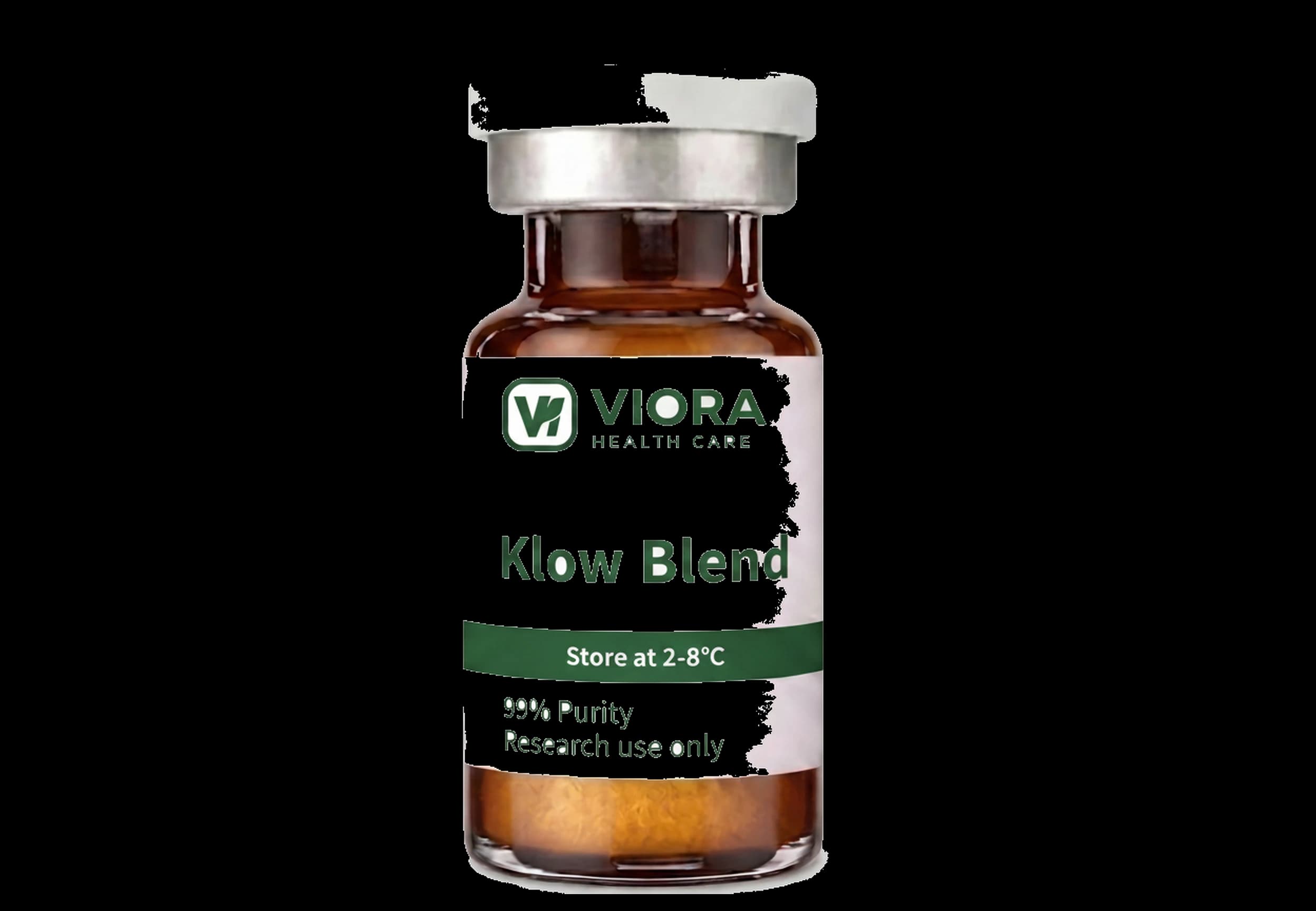
GHK-Cu + BPC-157 — Research Profile
KLOW is a research blend pairing GHK-Cu with three additional peptides studied for cellular signaling and connective-tissue modeling. The blend has been explored in dermal-fibroblast research and c...
BPC-157 — Research Profile
BPC-157 is a synthetic 15–amino-acid pentadecapeptide derived from a protective protein originally identified in gastric tissue. Research has explored its potential role in molecular signaling, str...
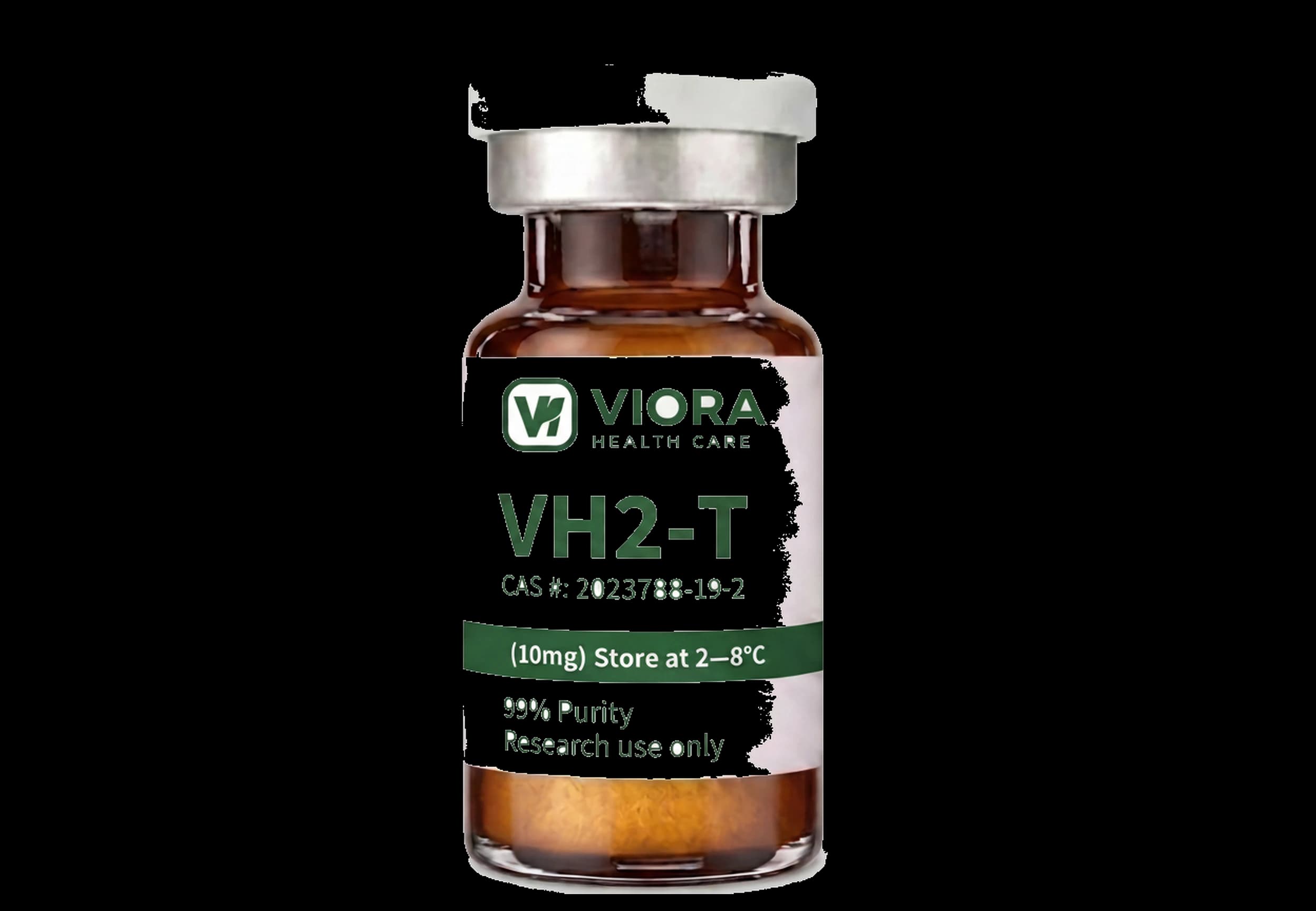
VH2-T — Research Profile
GLP-2-T (Glucagon-Like Peptide-2 Tesamorelin variant) is a synthetic peptide studied for its action on intestinal epithelial signaling. Research has focused on its role in modulating intestinal muc...
VH3-R — Research Profile
VH3-R is a research peptide studied in preclinical models for its tri-agonist action on incretin receptor pathways. Research has examined its influence on metabolic signaling, appetite-pathway rese...
Tesamorelin — Research Profile
Tesamorelin is a synthetic analogue of growth hormone–releasing hormone (GHRH), modified to resist enzymatic degradation. Research has explored its action on the somatotropic axis and its effects o...
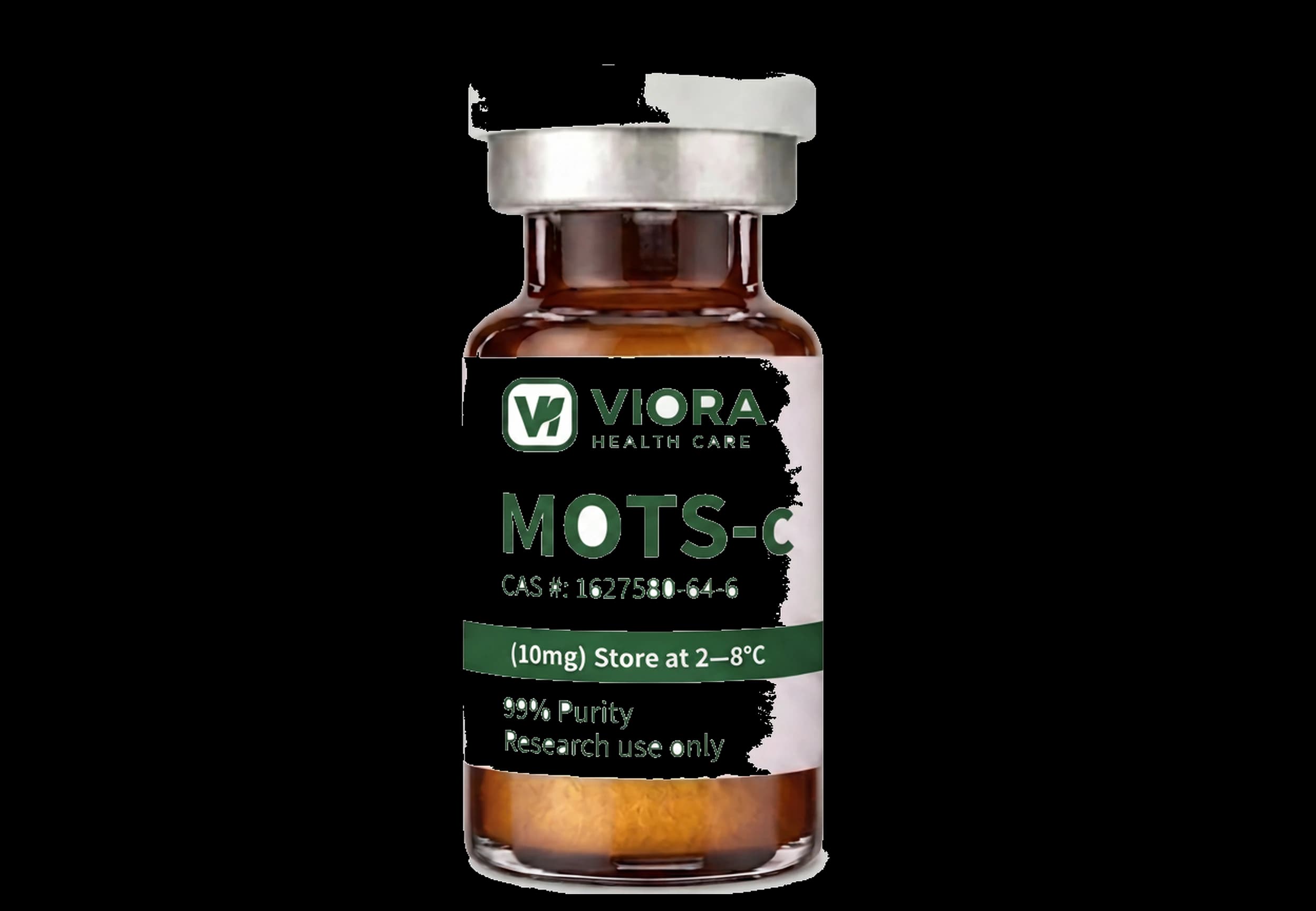
MOTS-c — Research Profile
MOTS-c is a 16–amino-acid peptide encoded within the mitochondrial 12S rRNA gene. Research has explored its role in mitochondrial-nuclear communication, metabolic signaling, and AMPK pathway activa...
GHK-Cu — Research Profile
GHK-Cu is a copper-binding tripeptide (Gly-His-Lys) complexed with a copper ion. Research has explored its role in extracellular matrix signaling, copper transport, and gene-expression modulation i...
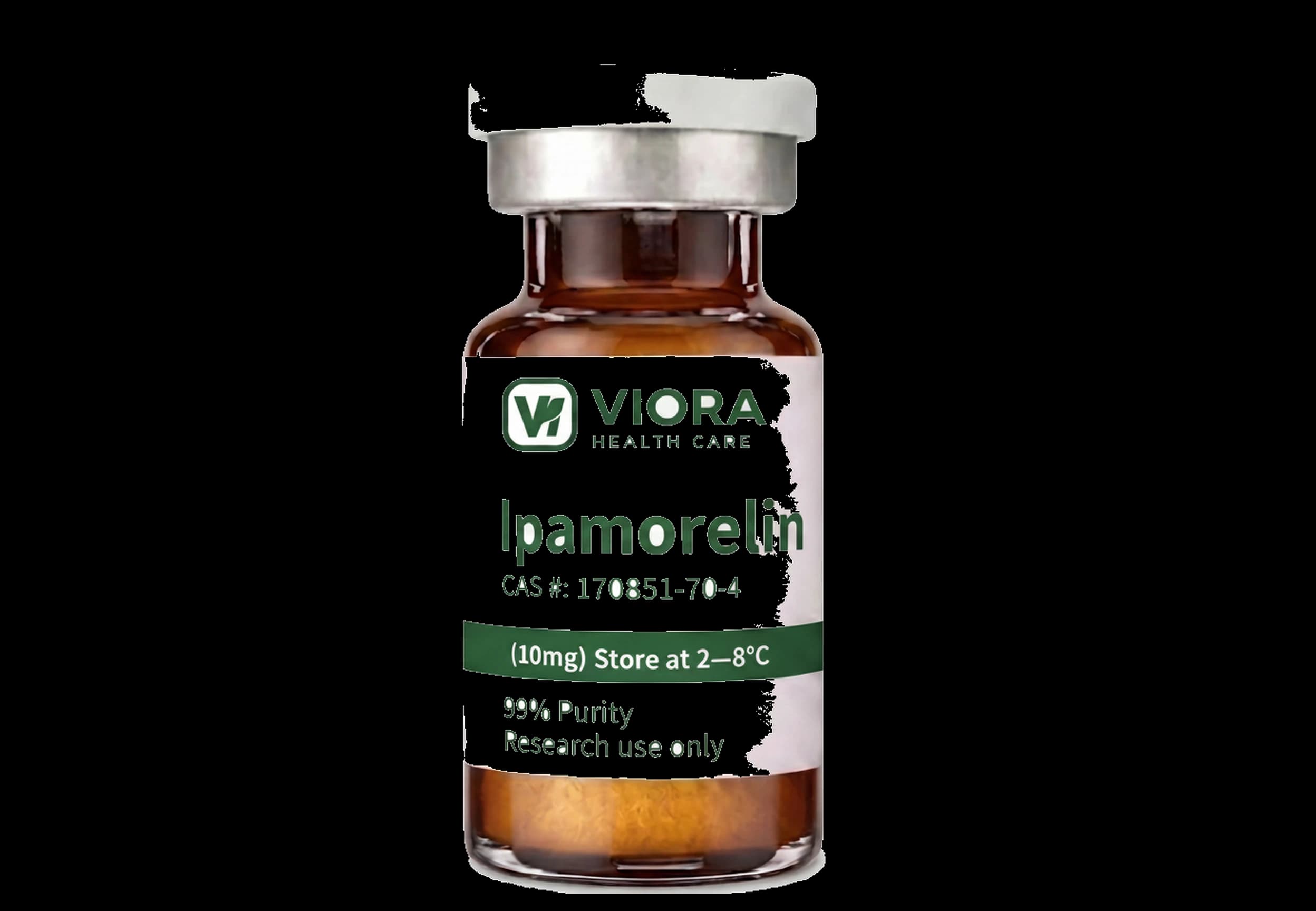
Ipamorelin — Research Profile
Ipamorelin is a pentapeptide that acts as a selective agonist of the growth hormone secretagogue receptor (GHSR-1a). Research has examined its action on pulsatile growth hormone release with compar...
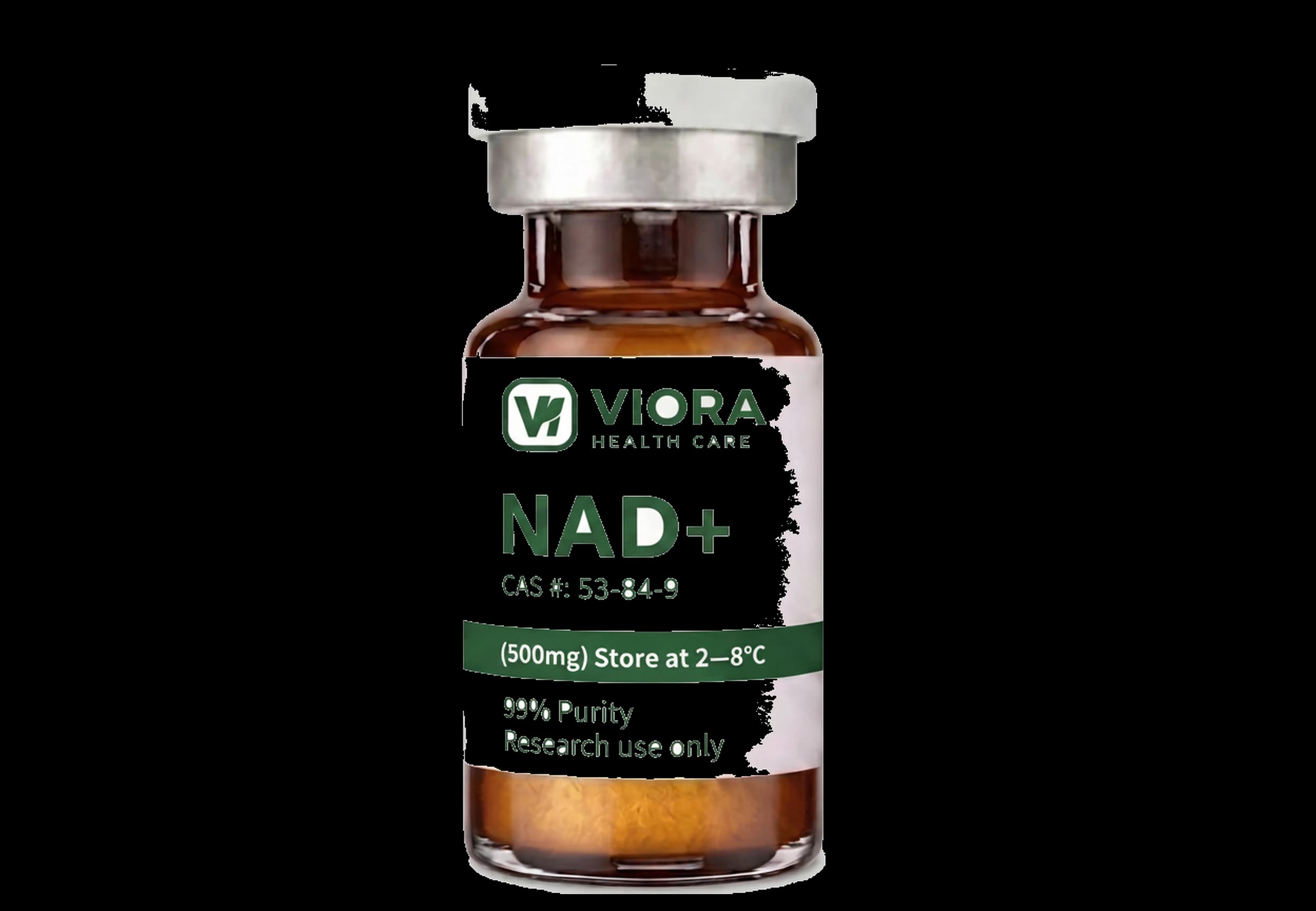
NAD+ — Research Profile
NAD+ (nicotinamide adenine dinucleotide) is a coenzyme central to cellular metabolism and redox biology. Research has explored its role in mitochondrial function, sirtuin signaling, DNA repair path...
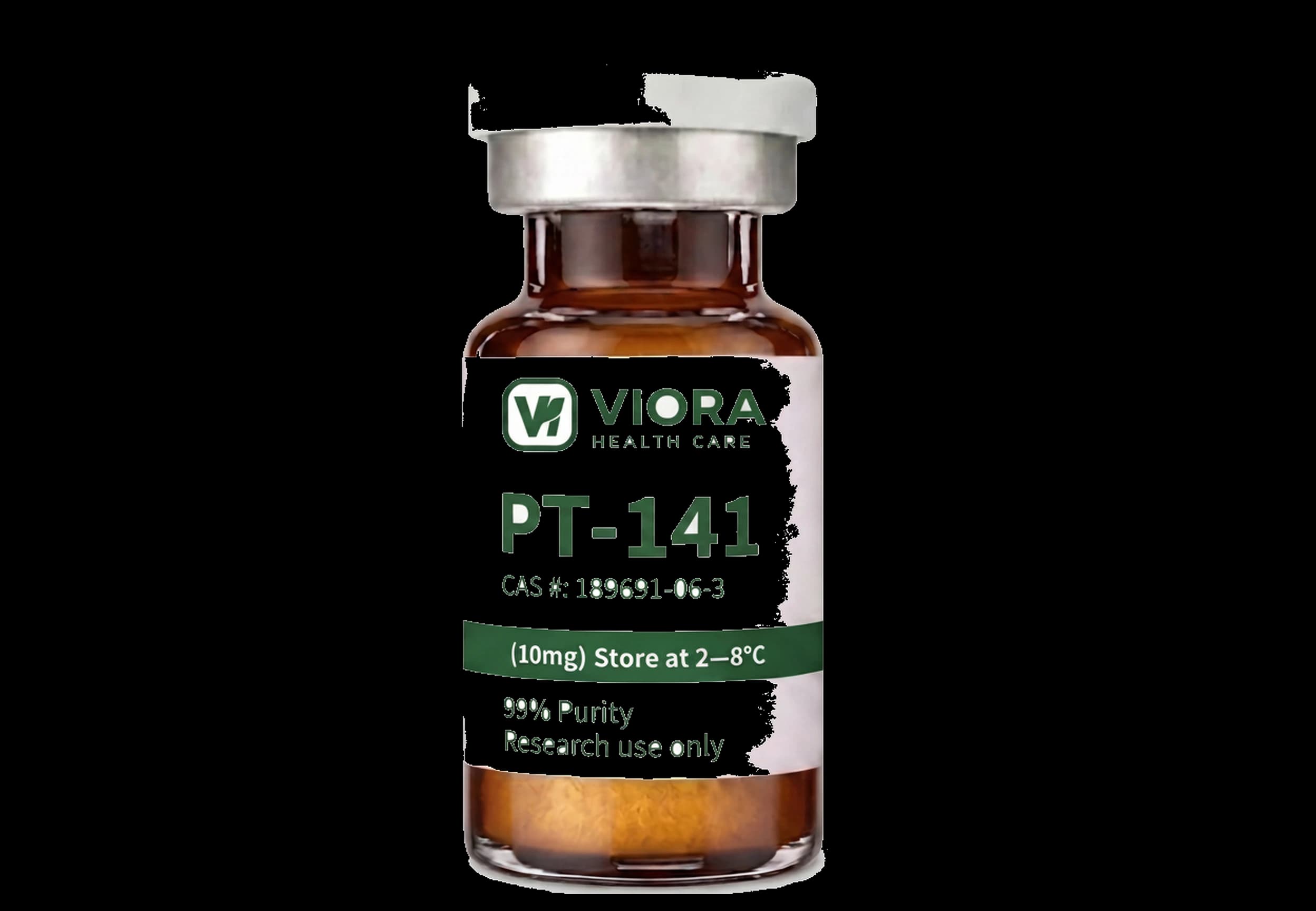
PT-141 — Research Profile
PT-141 (Bremelanotide) is a synthetic analogue of α-melanocyte-stimulating hormone (α-MSH) that acts as a non-selective melanocortin receptor agonist. Research has explored its action on melanocort...
Selank — Research Profile
Selank is a synthetic heptapeptide derived from a fragment of the immunoglobulin tuftsin. Research has examined its action on GABAergic signaling, BDNF expression, and anxiolytic-related behavioral...
Semax — Research Profile
Semax is a synthetic heptapeptide analogue of ACTH (4–10) with substitutions that prevent enzymatic cleavage. Research has explored its action on BDNF/NGF expression, dopaminergic signaling, and ne...
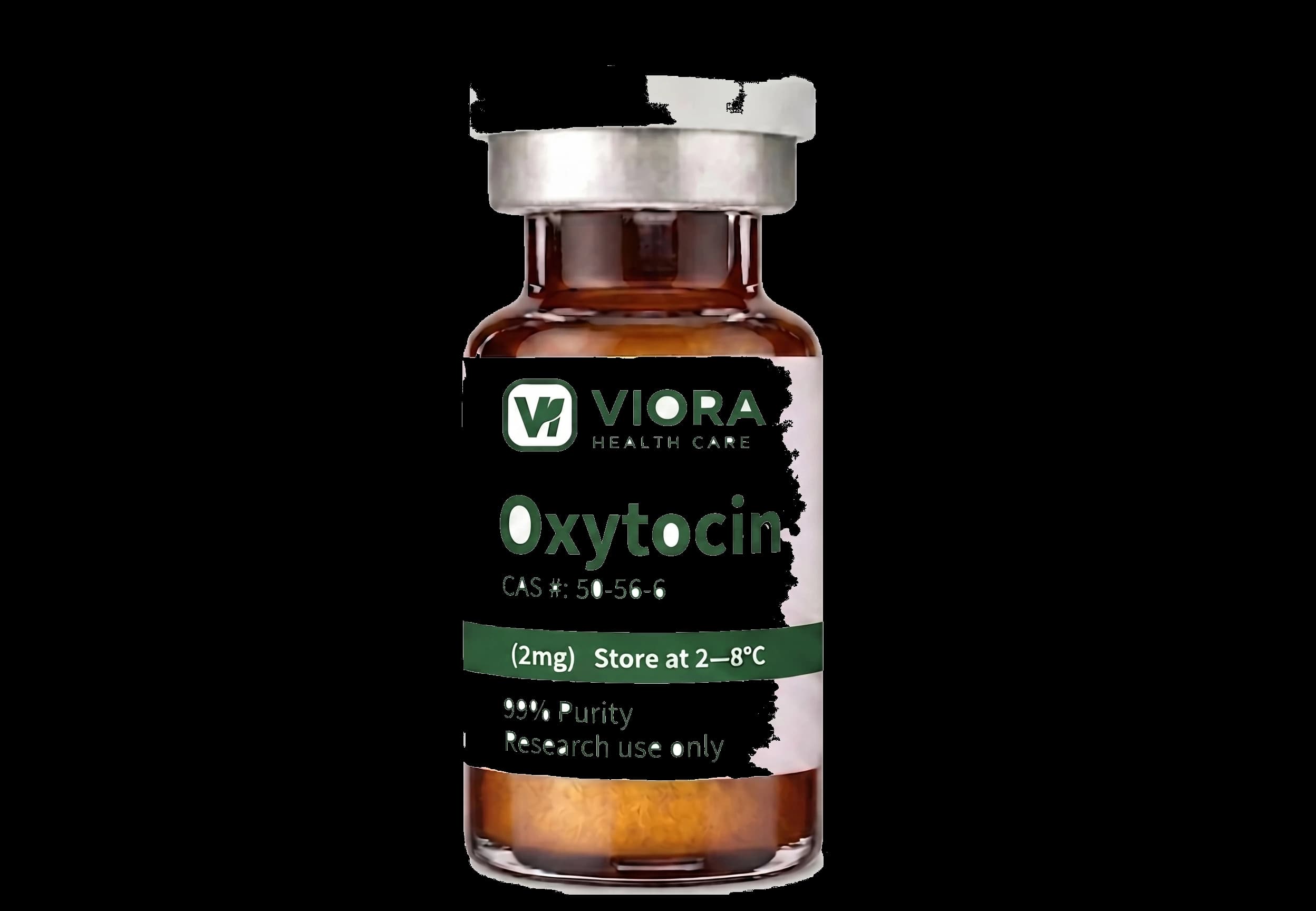
Oxytocin — Research Profile
Oxytocin is a nine–amino-acid neuropeptide produced in the hypothalamus and released by the posterior pituitary. Research has examined its action on social behavior, stress response, and physiologi...
Published purity reports.
Every Viora batch is independently tested by accredited third-party labs using HPLC and mass spectrometry. COAs are publicly available — no account required.
Need a COA for a specific batch?
Researchers can request the exact lot COA for any compound they've ordered via the client portal.
Request a COA