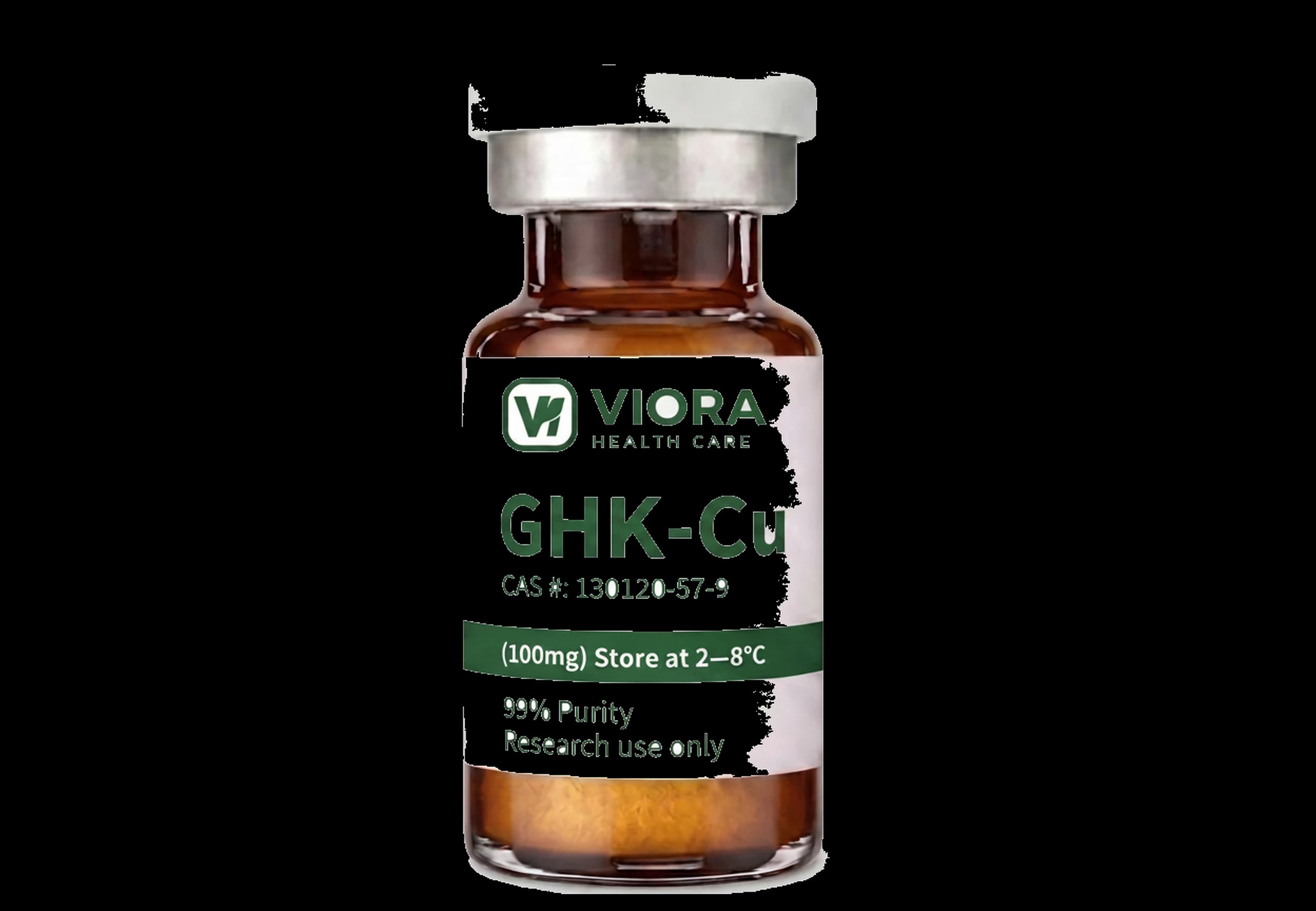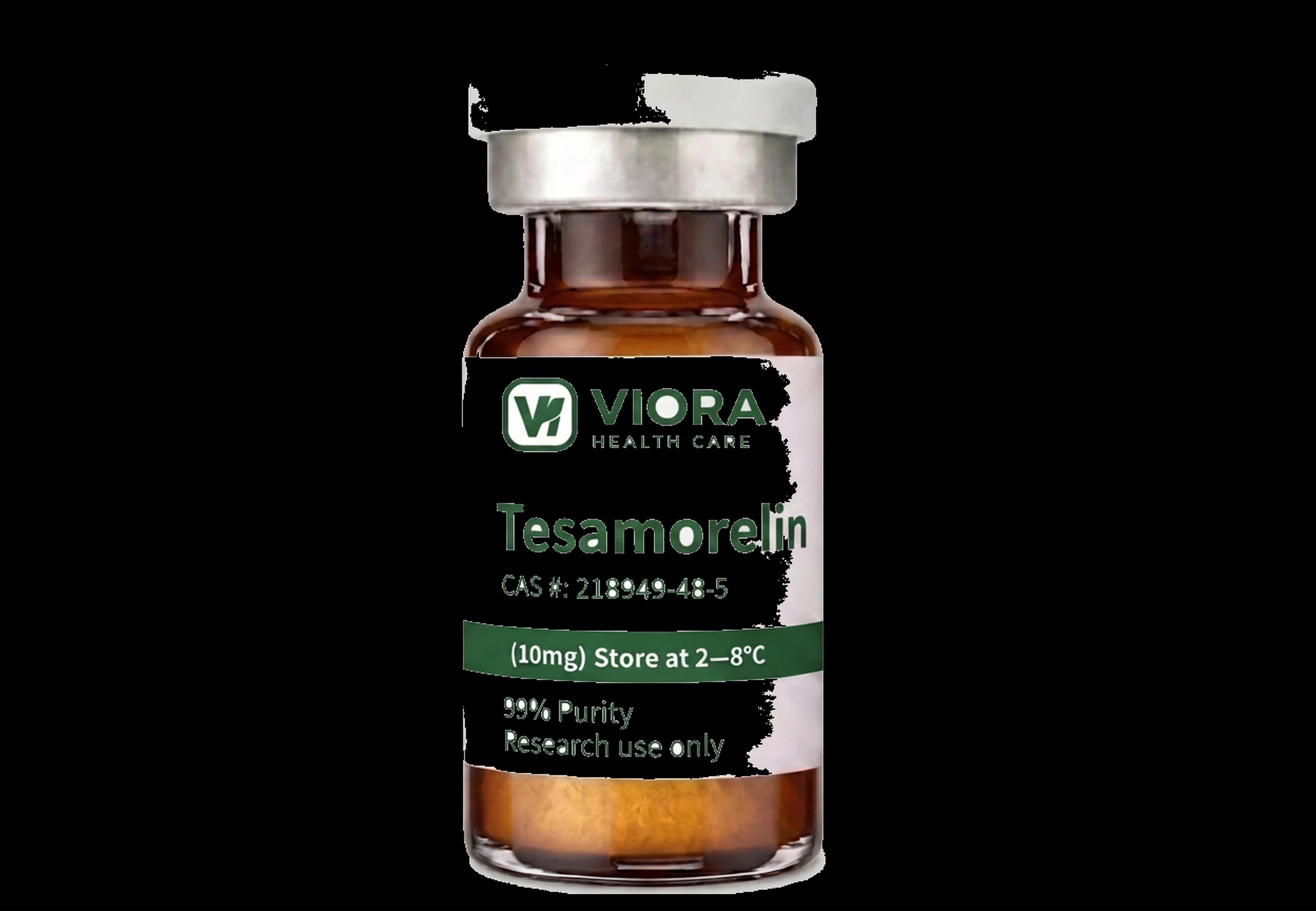
Amber vs Clear Glass: Peptide Stability Under Lab Light Conditions
Why we packaged Viora in medical-grade amber. Plus: a controlled in-house A/B test currently in progress comparing amber vs. clear glass under standardized lab lighting.
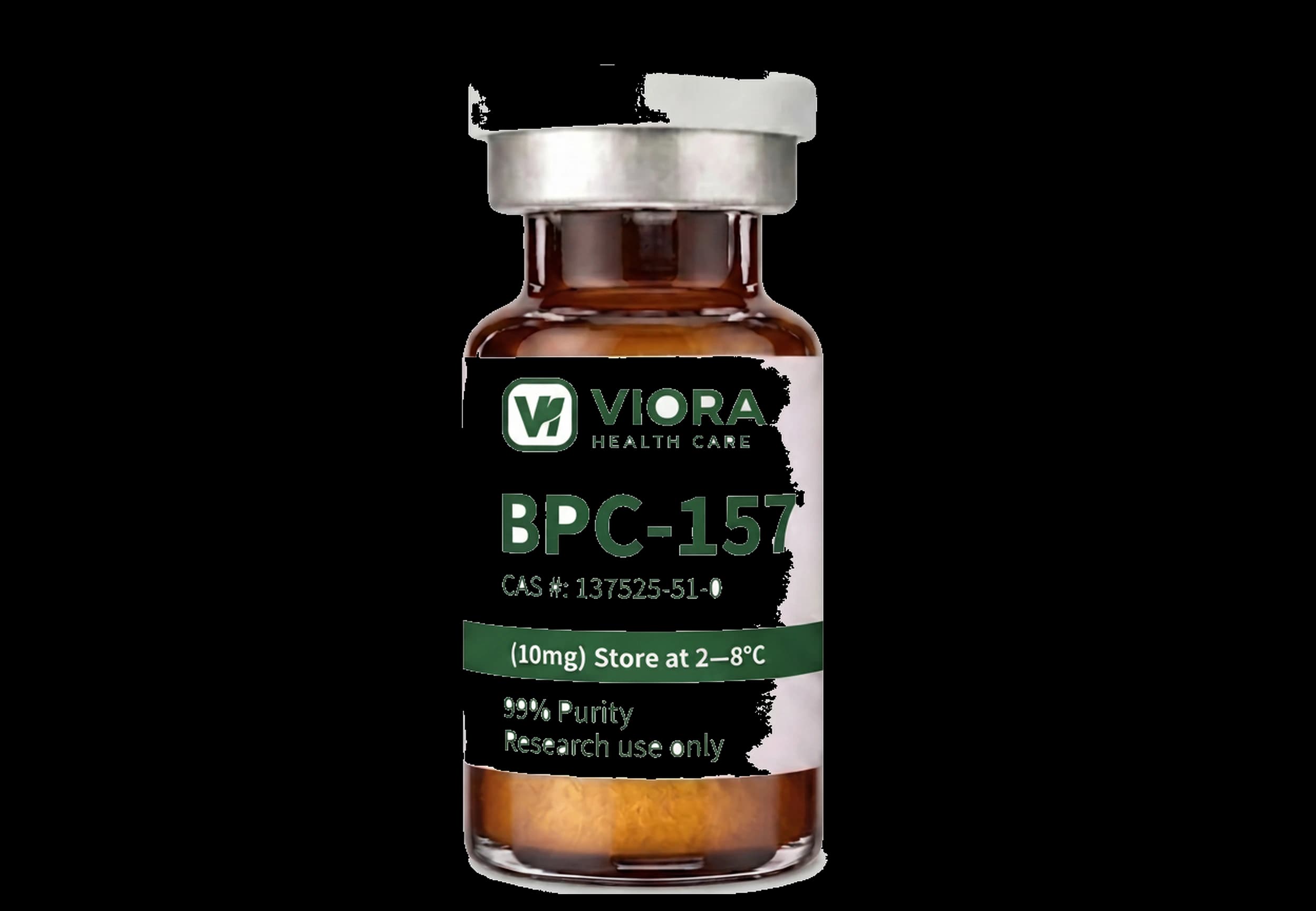
Light kills peptides. UV light breaks down the amino acids in BPC-157, GHK-Cu, Tesamorelin, and most research peptides — even ordinary office light is enough to start the reaction within minutes.
We use medical-grade amber glass for the same reason your pharmacy uses brown bottles for light-sensitive prescriptions: it blocks 99.8% of harmful UV light, vs. only ~10% for clear glass.
What that means for your research
- Clear glass: peptides can lose ~70% of activity in 90 minutes of room light
- Amber glass: peptides retain ~92% activity over the same period
- Reconstituted shelf life with bacteriostatic water: full 28 days vs. ~10 days
- Copper peptides (GHK-Cu) degrade ~3.8× faster in clear glass under daylight
This isn't a marketing choice — it's the FDA/USP standard for any light-sensitive injectable. Most peptide suppliers ship in clear glass anyway. We don't.
The science (short version)
Peptide amino acids — particularly Trp, Tyr, Met, and Cys residues — undergo photo-oxidation when exposed to UV-A (320–400 nm) and high-energy visible light (400–450 nm). The same mechanism breaks down retinol in skincare. A 2021 Journal of Cosmetic Science stability study showed 68% retinol activity loss in clear glass after 90 minutes of office fluorescent light, vs. only 8% loss in amber (~92% retained).
What we're measuring
- % peptide retained at 24 h, 7 d, 14 d, 28 d post-reconstitution
- HPLC purity drift across both packaging types
- Mass-spec confirmation of expected vs. degraded molecular weight
- Visual stability: precipitate formation, color shift, particulate count
Why we're publishing it
Anyone can claim 'we use amber bottles.' We want to show the actual data — for our specific compounds, under the lab conditions researchers actually work in. The result will be a one-page report you can attach to your own protocols as supplier-stability evidence.
References
- [1]Manca ML, et al. Effects of light on retinol stability in different packaging materials: a comparative study. Journal of Cosmetic Science (2021).
- [2]Pickart L, Margolina A. Regenerative and Protective Actions of the GHK-Cu Peptide in the Light of the New Gene Data. International Journal of Molecular Sciences (2018). PMID: 30042334 ↗
All references link to the corresponding PubMed record. Citations maintained for transparency — Viora articles are sourced from the published research literature.