Designing Reproducible Peptide Stack Protocols
Why pre-blended stacks matter for research reproducibility — and how to evaluate a stack's design before incorporating it into your protocol.
Reproducibility is the single biggest concern in modern peptide research. Stack-level variability — different ratios, different reconstitution conditions, inconsistent sourcing — accounts for an enormous fraction of failed replications across labs.
Why Pre-Blended Stacks Matter
Manually combining individual peptides at the bench introduces compounding sources of error: pipetting variability, reconstitution timing differences, and ratio drift across batches. Pre-blended stacks lock the ratio at manufacture, with both peptides verified together via HPLC.
What to Look for in a Stack
- Stated ratio of each component (e.g., 2:1 CJC-1295 to Ipamorelin)
- Combined HPLC trace showing both peaks and their relative areas
- Mass-spec confirmation for each component
- Batch-level COA covering both peptides
- Documented reconstitution recommendation
Common Research Stacks
| Stack | Components | Typical Research Focus |
|---|---|---|
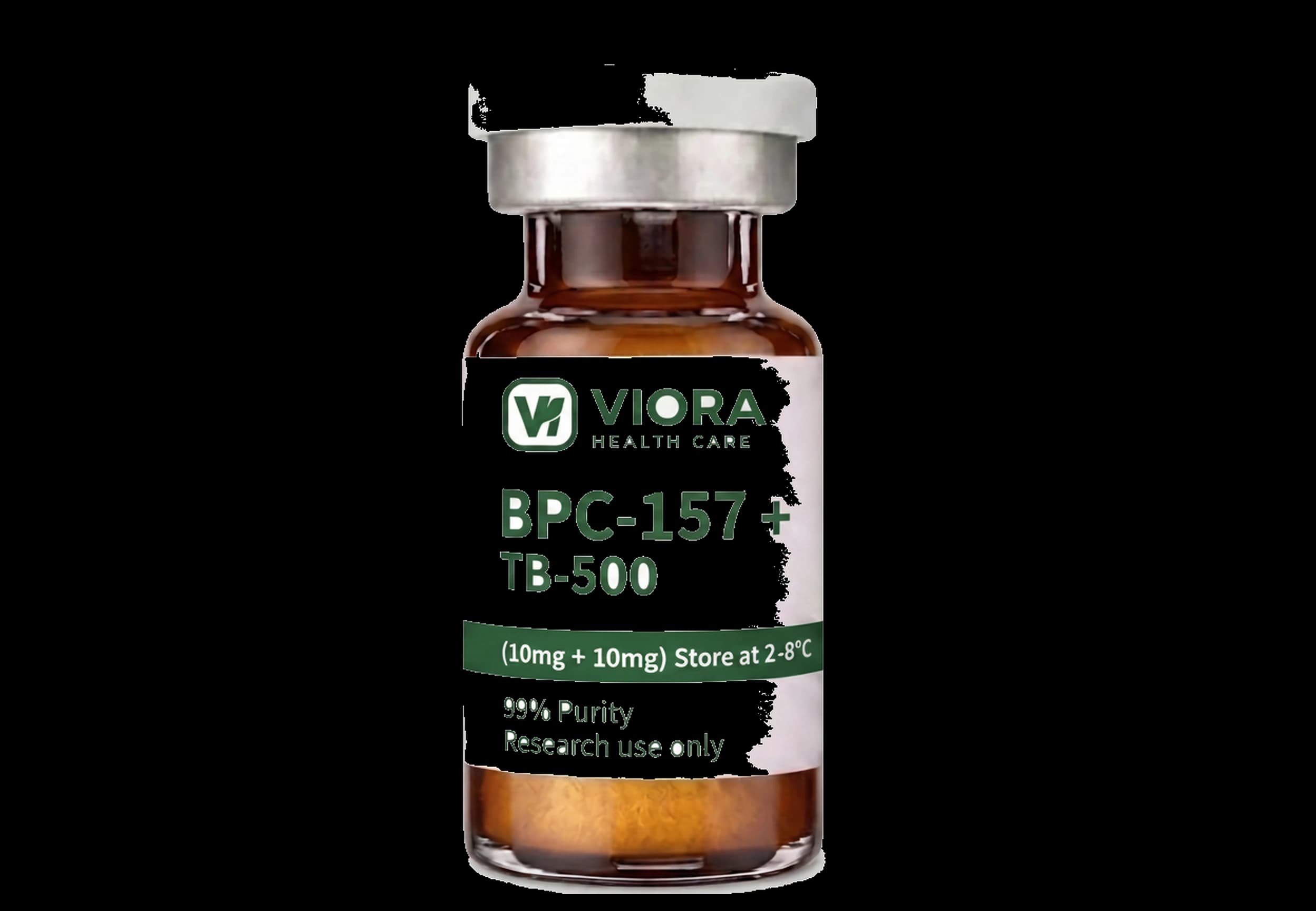
| BPC-157 + TB-500 | Tissue-repair peptides | Recovery, vascular biology |
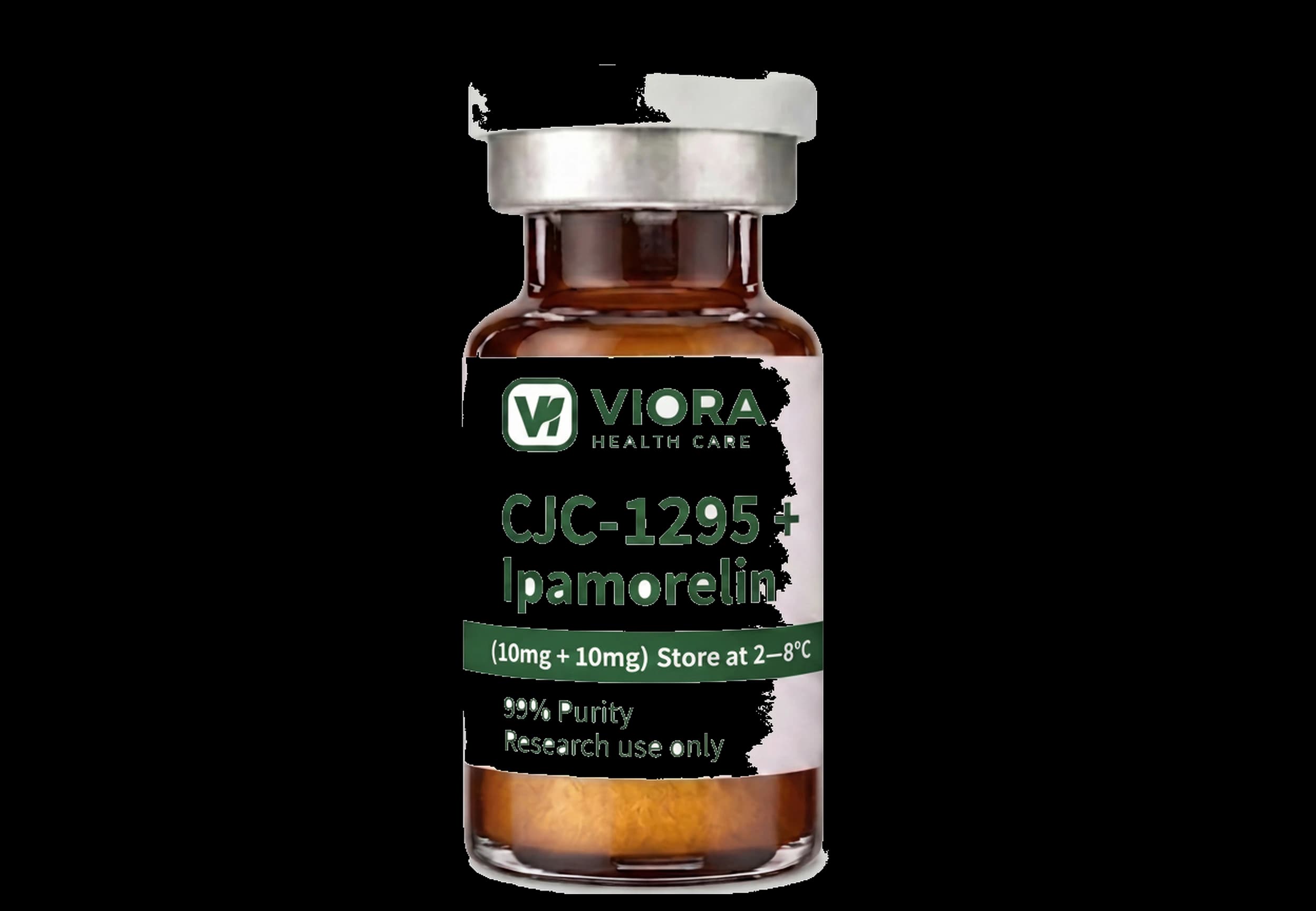
| CJC-1295 + Ipamorelin | GHRH analog + ghrelin agonist | Somatotropic axis research |
| GHK-Cu + BPC-157 (KLOW-style) | Copper peptide + tissue-repair | Skin and tissue research |
Documentation Checklist
Before any stack enters a research protocol, document: source, batch number, COA URL, reconstitution date, solvent, final concentration, and storage conditions. Share this with your protocol — future-you and any replicator will thank you.