HPLC vs Mass Spec: How Peptides Get Tested
Two analytical methods every research-grade peptide should pass. Here's what each measures, why both matter, and what to look for in a COA.
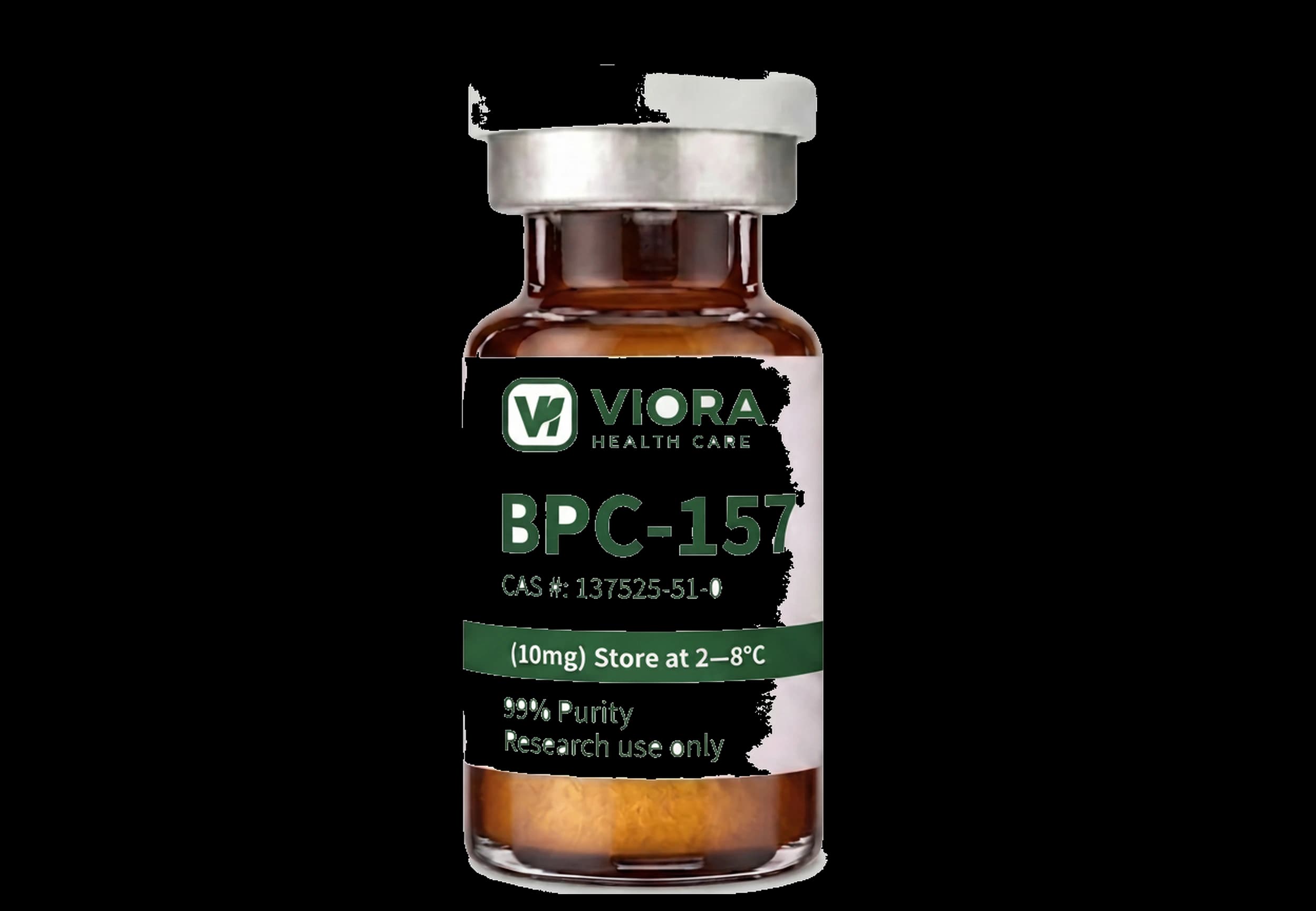
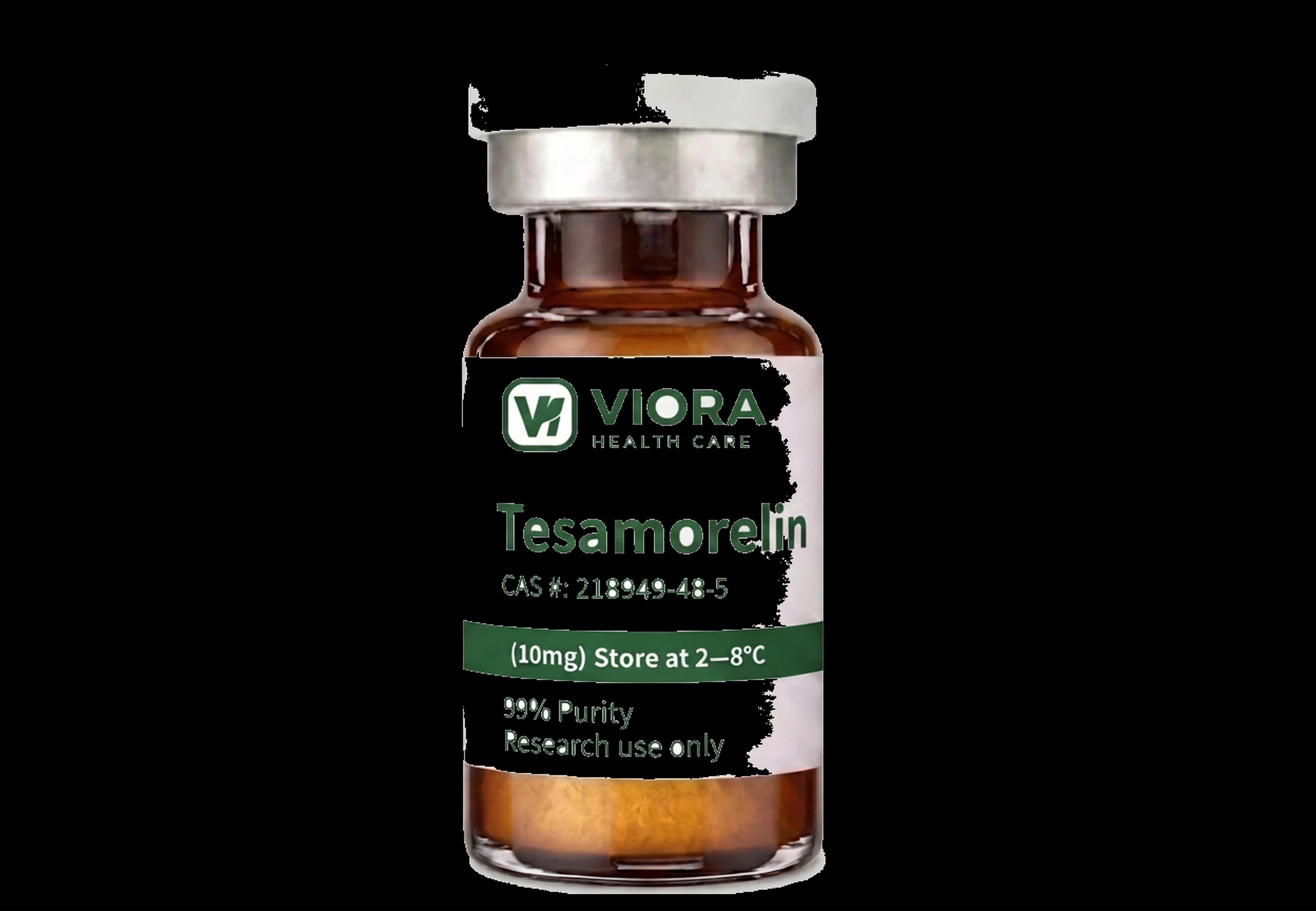
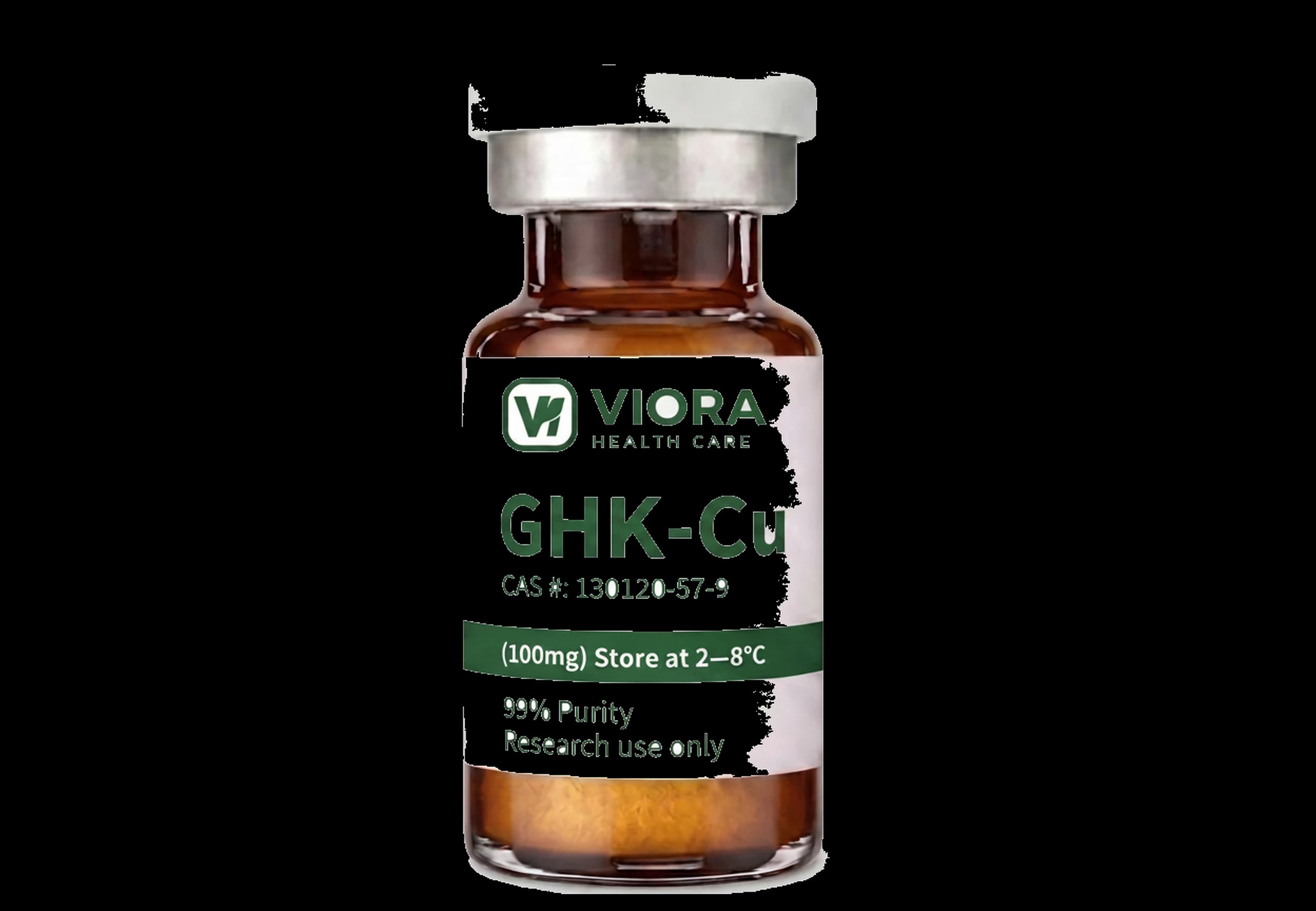
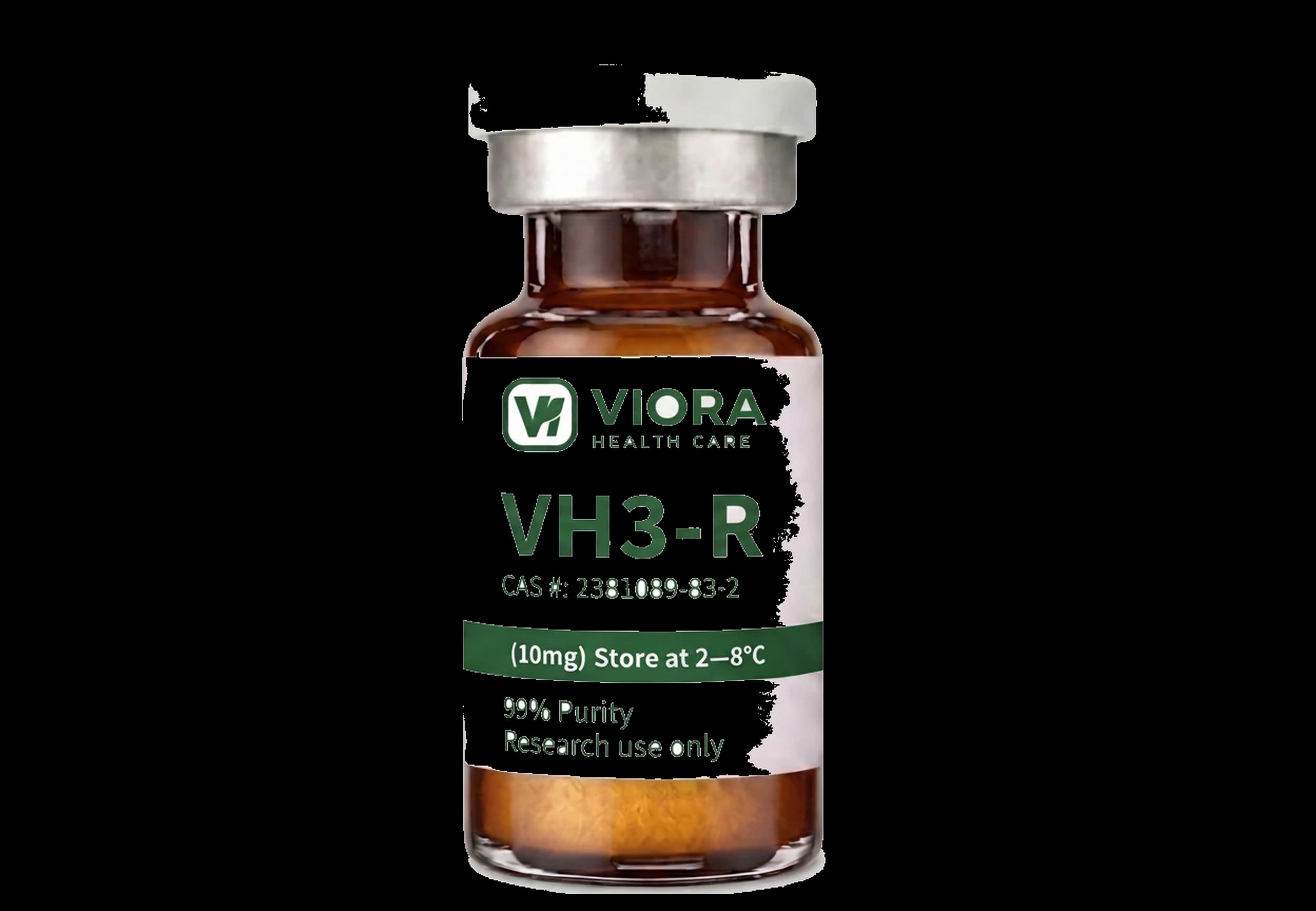
Quality verification is a critical part of peptide research and manufacturing. Before research peptides are distributed for laboratory use, they undergo analytical testing to confirm their identity, purity, and molecular composition. Two of the most widely used testing methods are High-Performance Liquid Chromatography (HPLC) and Mass Spectrometry (MS).
Why Peptide Testing Is Important
Research peptides must meet precise purity and composition requirements to ensure reliable experimental results. Without proper analytical testing, impurities or incorrect molecular structures could compromise outcomes.
Reputable research peptide suppliers provide third-party testing and verified Certificates of Analysis (COAs) documenting:
- Peptide purity percentage (HPLC)
- Molecular identity and composition (Mass Spec)
- Presence of impurities or contaminants
- Consistency between production batches
High-Performance Liquid Chromatography (HPLC)
HPLC separates the components of a sample as they pass through a specialized column under high pressure. The detector records each component, producing a chromatogram that displays the purity profile of the peptide. For research-grade peptides, purity levels often exceed 99%.
Mass Spectrometry (MS)
Mass Spectrometry confirms molecular identity and structure. The peptide is ionized and broken into charged particles, which are measured by their mass-to-charge ratio. The output (a mass spectrum) confirms the precise molecular weight and verifies that the peptide matches its expected sequence.
HPLC vs MS at a Glance
| Feature | HPLC | Mass Spectrometry |
|---|---|---|
| Primary Function | Measures peptide purity | Confirms molecular identity |
| Output | Chromatogram (purity %) | Mass spectrum (molecular weight) |
| What it catches | Impurities, byproducts | Wrong sequence, fragments |
| When to use both | Always — they're complementary | Always — they're complementary |
How to Read a COA
A proper COA should include the batch/lot number, peptide sequence, purity (HPLC), molecular weight (MS), date of analysis, and the name of the third-party lab. View Viora's published COAs for Tesamorelin, MOTS-c, GHK-Cu, and VH3-R on the Lab Testing page.