
MethodologyMarch 11, 2026·6 min read
Peptide Reconstitution: A Practical Lab Guide
How to safely reconstitute lyophilized research peptides — solvents, ratios, sterile technique, and post-reconstitution storage.
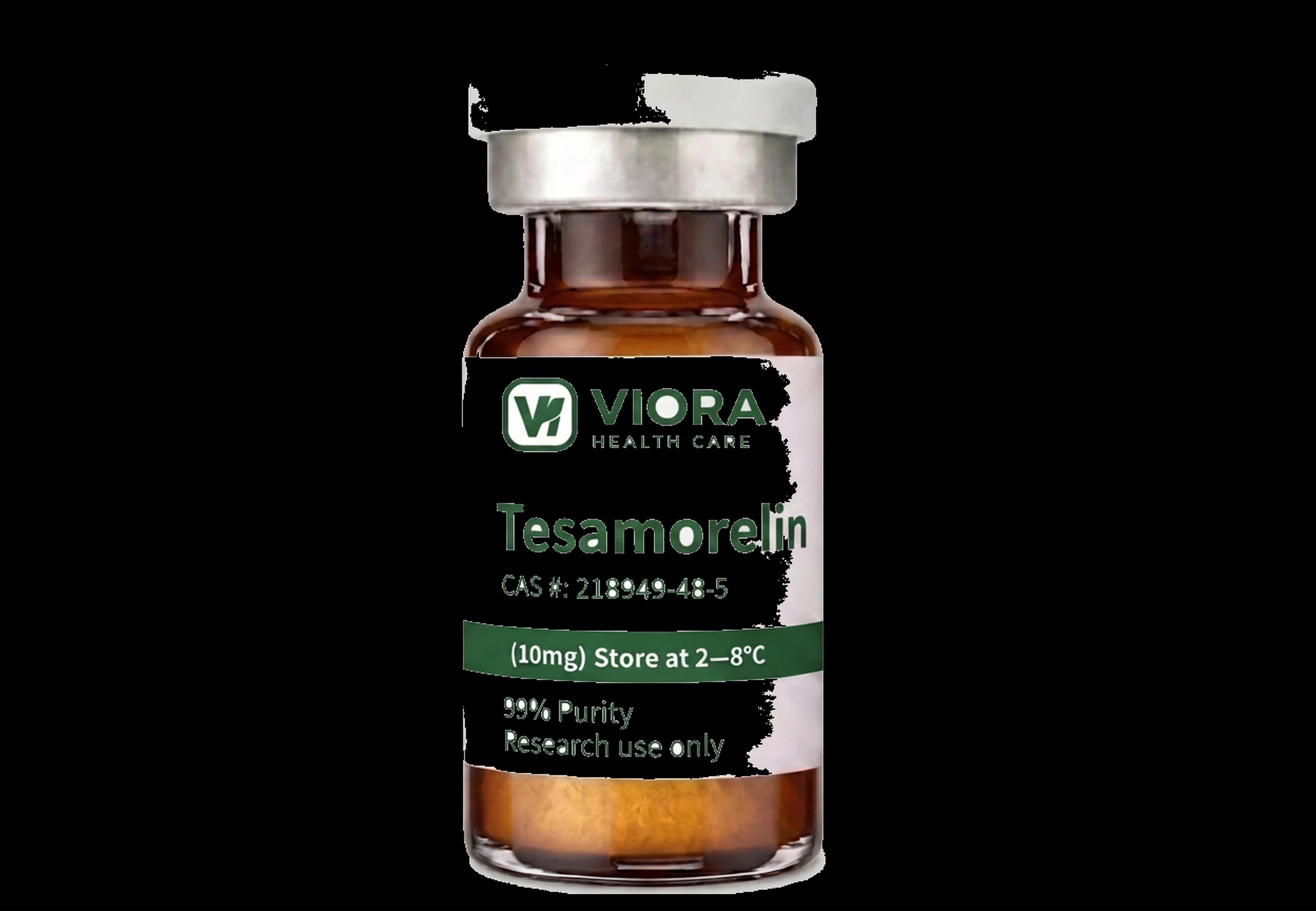
Peptide reconstitution is the process of preparing a lyophilized (freeze-dried) peptide by dissolving it in an appropriate sterile solvent for laboratory research use. Researchers reconstitute peptides before experiments to ensure accurate dosing and consistency across runs.
Why Lyophilization Matters
Lyophilization removes water under controlled vacuum conditions, leaving a stable cake that can be stored for long periods at refrigerator or freezer temperatures. Benefits:
- Improved chemical stability over months/years
- Reduced risk of hydrolytic degradation
- Easier transport at ambient temperatures
- Predictable rehydration behavior
Common Research Solvents
- Bacteriostatic water (BAC) — 0.9% benzyl alcohol; standard for most research peptides
- Sterile water for injection — when preservative-free is required
- Acetic acid solutions (0.1–1%) — for hydrophobic peptides with poor water solubility
- Sodium acetate buffer — for pH-sensitive peptides
Step-by-Step Procedure
- Prepare a sterile workspace and PPE; wipe surfaces with isopropyl alcohol
- Allow the lyophilized vial and solvent to reach room temperature (20–25 °C)
- Calculate target concentration: e.g., 5 mg peptide + 2 mL BAC = 2.5 mg/mL
- Aspirate solvent into a sterile syringe; inject slowly down the inside wall of the vial
- Do not shake — gently swirl until the cake fully dissolves (1–3 min)
- Inspect for clarity; cloudy or particulate solutions indicate a problem
- Label the reconstituted vial with date, concentration, and solvent
Post-Reconstitution Storage
- Refrigerate (2–8 °C) for short-term use, typically within 2–4 weeks
- For longer storage, freeze single-use aliquots at –20 °C or –80 °C
- Avoid repeated freeze-thaw cycles — each cycle accelerates degradation
- Protect from light; many peptides are photosensitive
Reconstitution Math (Quick Reference)
| Peptide Mass | Solvent Volume | Final Concentration |
|---|---|---|
| 5 mg | 2 mL | 2.5 mg/mL (2,500 µg/mL) |
| 5 mg | 5 mL | 1 mg/mL (1,000 µg/mL) |
| 10 mg | 2 mL | 5 mg/mL (5,000 µg/mL) |
| 10 mg | 5 mL | 2 mg/mL (2,000 µg/mL) |
All reconstitution practices in this guide are for laboratory research preparation only. They do not constitute medical or clinical instructions.
For research use only. All compounds referenced in this article are intended strictly for laboratory research and experimentation. Not for human or animal consumption, diagnostic, or therapeutic use.