
BPC-157 — Research Profile
BPC-157 is a synthetic 15–amino-acid pentadecapeptide derived from a protective protein originally identified in gastric tissue. Research has explored its potential role in molecular signaling, str...
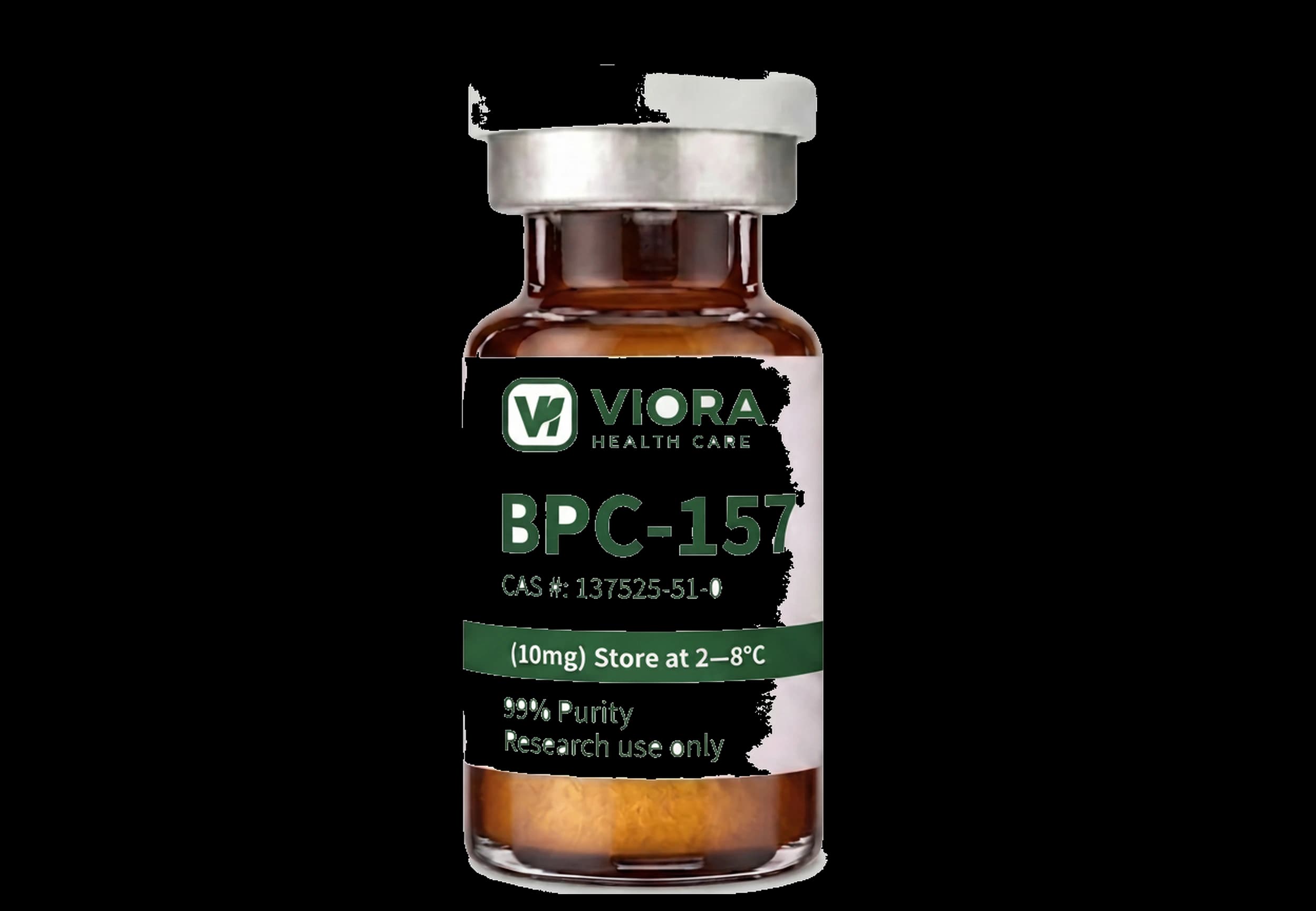
Overview
BPC-157 is a synthetic 15–amino-acid pentadecapeptide derived from a protective protein originally identified in gastric tissue. Research has explored its potential role in molecular signaling, structural remodeling, and cytokine modulation across multiple tissue systems, with particular attention to musculoskeletal and gastrointestinal preclinical models.
History
BPC-157 was first synthesized as part of broader investigation into gastric peptides identified in the late 20th century. Researchers isolated a fragment of the parent protein and began studying its effects in controlled experimental systems. Over the past two decades it has accumulated one of the largest preclinical research records of any synthetic peptide, with published work spanning tendon, bone, vascular, gastric, and neural models.
BPC-157 Structure
- CAS #: 137525-51-0
- Molecular Formula: C₆₂H₉₈N₁₆O₂₂
- Molecular Weight: 1419.556 g/mol
- PubChem ID: 108101
Research Findings
BPC-157 has been studied across structural, vascular, epithelial, and systemic models. Published work has explored its influence on tendon-to-bone interface modeling, collagen organization, angiogenesis, cytokine modulation, and gastric tissue response. The volume of preclinical literature is unusually deep for a synthetic peptide, with both rodent and cell-culture studies contributing.
Key Areas of Research
- Structural: tendon, ligament, bone, collagen, matrix remodeling
- Vascular: angiogenesis, nitric oxide pathway, vessel formation
- Epithelial: migration, gastric lining, mucosal modeling
- Systemic: cytokine signaling, pathway dynamics, neural correlates
Across these domains, research suggests BPC-157 acts on multiple parallel biological pathways rather than a single receptor target. This pleiotropic profile makes it a frequent subject in preclinical models studying complex repair and signaling cascades.
References
- [1]Sikiric P. et al. Brain-gut axis and pentadecapeptide BPC-157: Theoretical and practical implications. (2018).
- [2]Chang C-H. et al. Pentadecapeptide BPC-157 enhances the growth hormone receptor expression in tendon fibroblasts. (2011).
- [3]Hsieh M-J. et al. Therapeutic potential of pro-angiogenic BPC-157 is associated with VEGFR2 activation and up-regulation. (2017).
- [4]Huang T. et al. Pentadecapeptide BPC-157 efficacy in wound-healing assays and inflammation models. (2015).
- [5]Sikiric P. et al. Stable gastric pentadecapeptide BPC-157: novel therapy in gastrointestinal tract. (2014).
All references link to the corresponding PubMed record. Citations maintained for transparency — Viora articles are sourced from the published research literature.