
NAD+ — Research Profile
NAD+ (nicotinamide adenine dinucleotide) is a coenzyme central to cellular metabolism and redox biology. Research has explored its role in mitochondrial function, sirtuin signaling, DNA repair path...
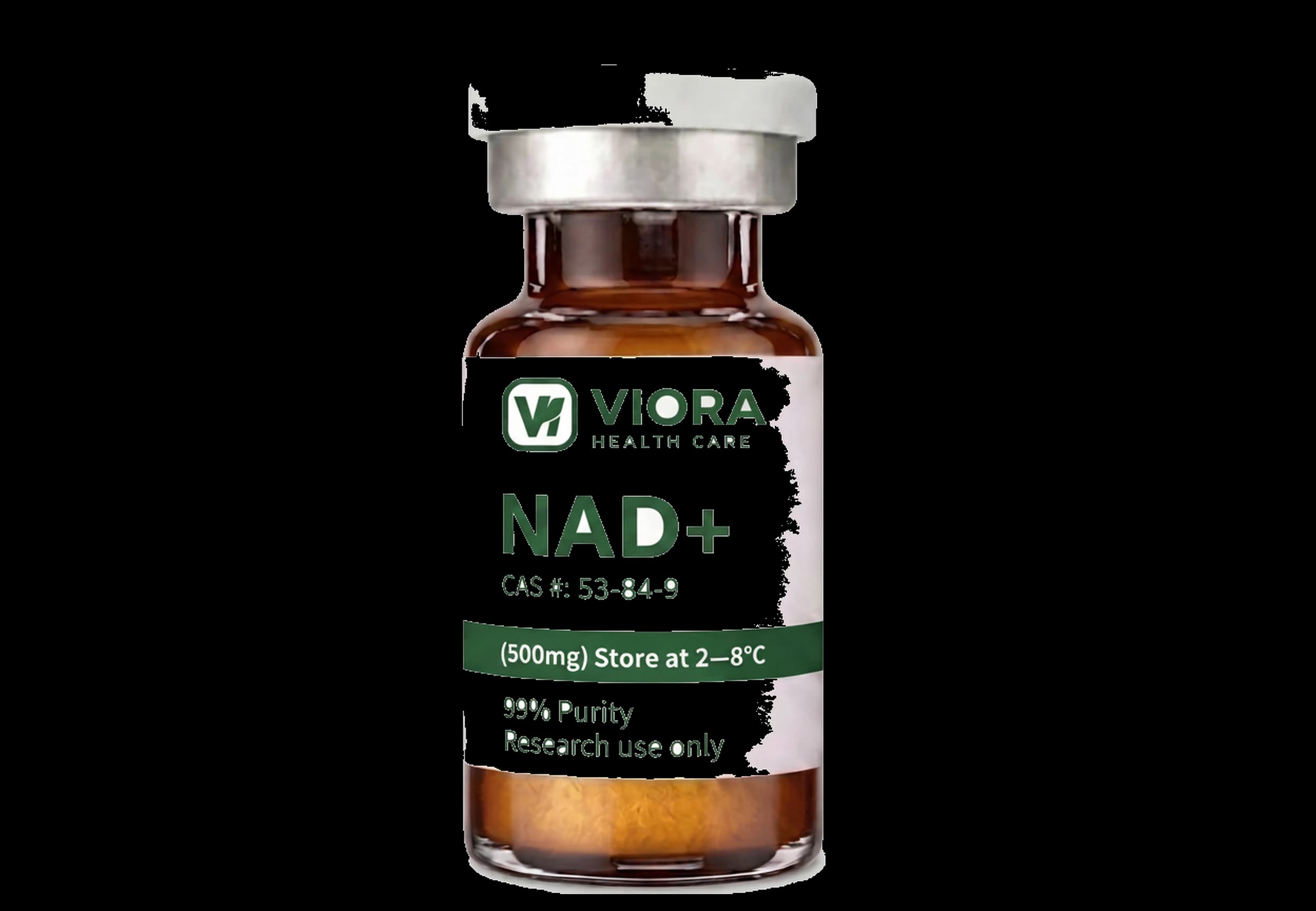
Overview
NAD+ (nicotinamide adenine dinucleotide) is a coenzyme central to cellular metabolism and redox biology. Research has explored its role in mitochondrial function, sirtuin signaling, DNA repair pathways, and age-associated decline in cellular NAD+ pools.
History
NAD was first identified in the early 20th century in fermentation research. Its central role in metabolism is established; current research focuses on NAD+ precursors, age-related decline, and pathway-specific signaling roles.
NAD+ Structure
- CAS #: 53-84-9
- Molecular Formula: C₂₁H₂₇N₇O₁₄P₂
- Molecular Weight: 663.43 g/mol
- PubChem ID: 925
Research Findings
NAD+ research spans mitochondrial bioenergetics, sirtuin-mediated signaling, PARP-dependent DNA repair, and circadian regulation. Pharmacological strategies to raise cellular NAD+ are actively studied.
Key Areas of Research
- Mitochondrial: ETC function, redox state
- Sirtuins: SIRT1–7 enzymatic activity
- DNA repair: PARP1 dependence
- Aging: age-correlated NAD+ decline studies
NAD+ biology is one of the most active areas in current metabolic and aging research, with deep mechanistic and translational literature.
References
- [1]Cantó C. et al. NAD+ metabolism and the control of energy homeostasis. (2015).
- [2]Verdin E. NAD+ in aging, metabolism, and neurodegeneration. (2015).
All references link to the corresponding PubMed record. Citations maintained for transparency — Viora articles are sourced from the published research literature.