
Oxytocin — Research Profile
Oxytocin is a nine–amino-acid neuropeptide produced in the hypothalamus and released by the posterior pituitary. Research has examined its action on social behavior, stress response, and physiologi...
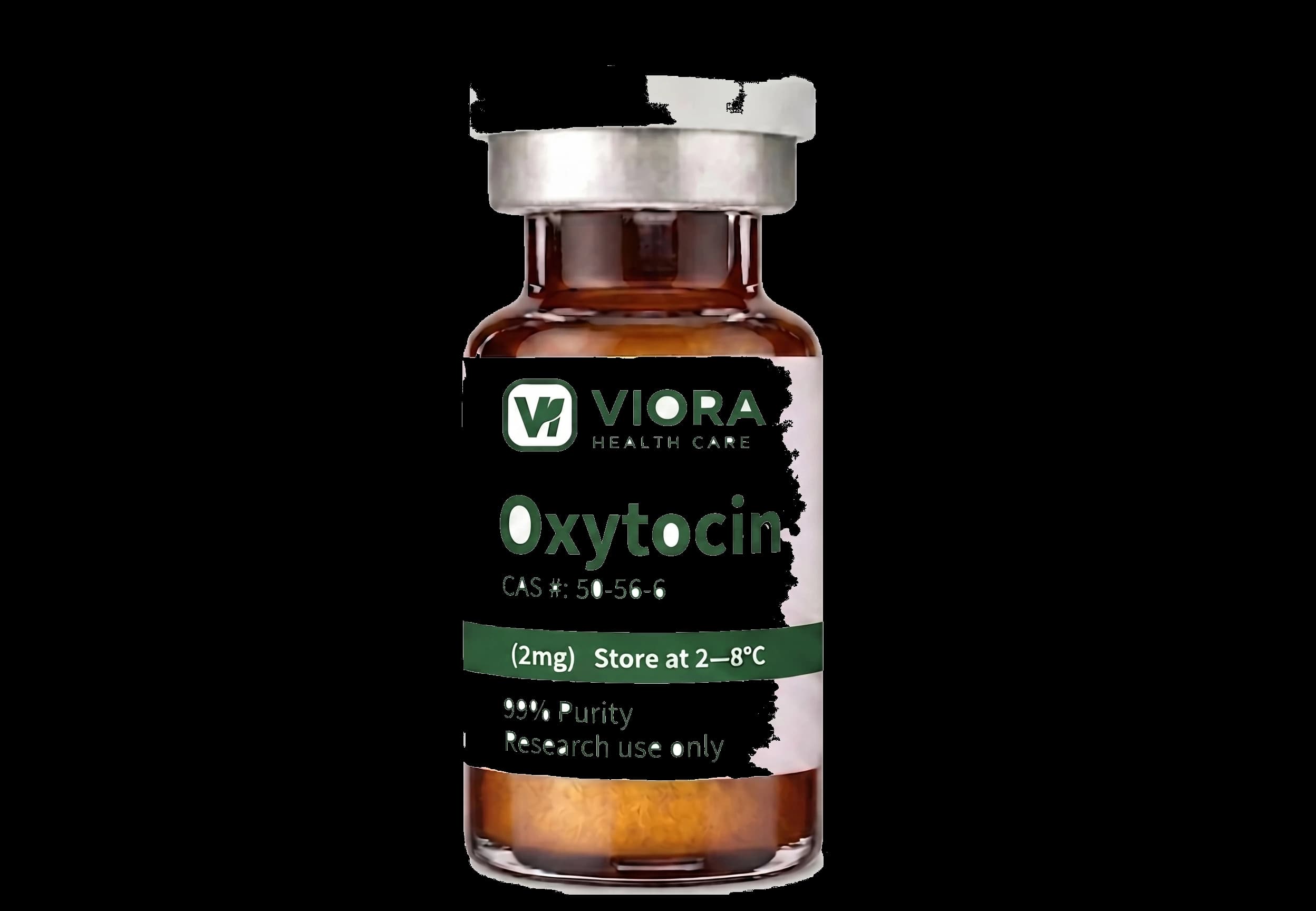
Overview
Oxytocin is a nine–amino-acid neuropeptide produced in the hypothalamus and released by the posterior pituitary. Research has examined its action on social behavior, stress response, and physiological smooth-muscle signaling in extensive animal and human models.
History
Oxytocin was the first peptide hormone to be synthesized (du Vigneaud, 1953), earning a Nobel Prize. It remains one of the most studied peptides across endocrine, neurological, and behavioral research.
Oxytocin Structure
- CAS #: 50-56-6
- Molecular Formula: C₄₃H₆₆N₁₂O₁₂S₂
- Molecular Weight: 1007.19 g/mol
- PubChem ID: 439302
Research Findings
Oxytocin research spans social cognition, pair bonding, stress reactivity, smooth-muscle contraction, and central nervous system signaling. Receptor distribution and species differences are well-documented.
Key Areas of Research
- Behavioral: pair bonding, social cognition
- Stress: HPA axis modulation
- Smooth muscle: uterine, mammary signaling
- Central: trust and affiliation circuit research
Oxytocin remains one of the most extensively studied peptides in neuroscience and endocrinology.
References
- [1]du Vigneaud V. et al. The synthesis of an octapeptide amide with the hormonal activity of oxytocin. (1953).
- [2]Carter C. S. Oxytocin pathways and the evolution of human behavior. (2014).
All references link to the corresponding PubMed record. Citations maintained for transparency — Viora articles are sourced from the published research literature.