
Semax — Research Profile
Semax is a synthetic heptapeptide analogue of ACTH (4–10) with substitutions that prevent enzymatic cleavage. Research has explored its action on BDNF/NGF expression, dopaminergic signaling, and ne...
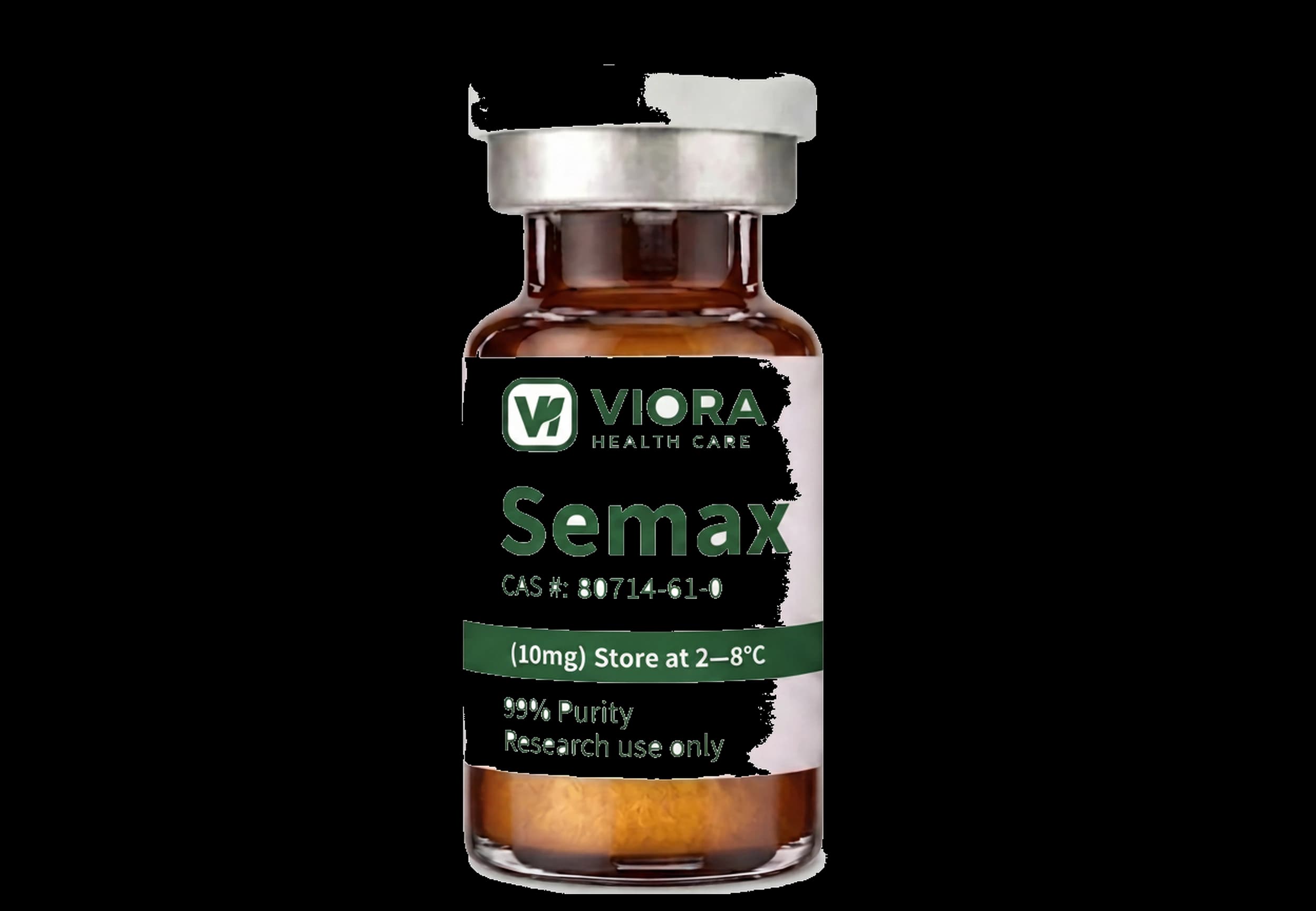
Overview
Semax is a synthetic heptapeptide analogue of ACTH (4–10) with substitutions that prevent enzymatic cleavage. Research has explored its action on BDNF/NGF expression, dopaminergic signaling, and neuroprotection in rodent models.
History
Semax was developed in Russian neuropeptide research in the 1980s, derived from the N-terminal fragment of ACTH. It has been investigated in stroke, attention, and learning models.
Semax Structure
- CAS #: 80714-61-0
- Molecular Formula: C₃₇H₅₁N₉O₁₀S
- Molecular Weight: 813.93 g/mol
- PubChem ID: 11765636
Research Findings
Semax research has documented effects on BDNF and NGF expression, dopaminergic pathway modulation, and neuroprotective markers in rodent ischemia and behavioral models.
Key Areas of Research
- Neurotrophic: BDNF, NGF expression
- Dopaminergic: pathway modulation
- Neuroprotection: ischemia model studies
Semax is a frequently studied neuropeptide in cognitive and neuroprotection research.
References
- [1]Ashmarin I. P. et al. Semax — neuropeptide with pleiotropic effects. (2005).
- [2]Dolotov O. V. et al. Semax and BDNF expression in rat hippocampus. (2006).
All references link to the corresponding PubMed record. Citations maintained for transparency — Viora articles are sourced from the published research literature.