
Semax vs Selank: A Comparative Research Guide
Both are synthetic peptides studied for cognitive and neurobehavioral research — but they differ in origin, mechanism, and primary research focus.
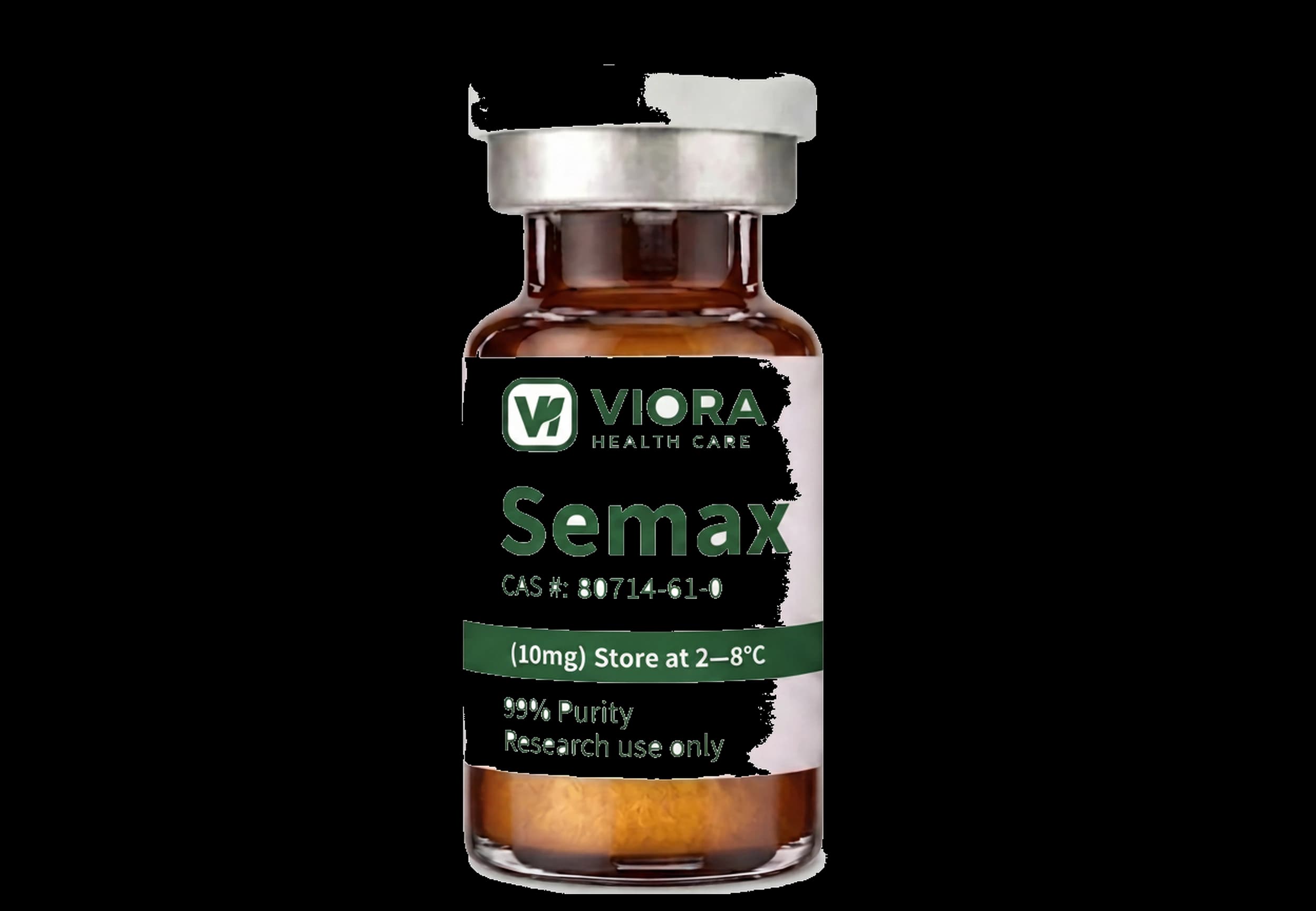

Semax and Selank are two synthetic peptides that have gained attention in the scientific research community due to their potential influence on neurological and cognitive processes. Both peptides were originally developed through Russian peptide research programs and are commonly studied in laboratory settings focused on neurobiology, cognitive function, and neurotransmitter regulation.
Although Semax and Selank share similarities as research peptides used in neurological studies, they differ in their molecular structure, mechanisms of action, and areas of scientific investigation.
What is Semax?
Semax is a synthetic peptide derived from a fragment of the adrenocorticotropic hormone (ACTH 4-10). It has been widely studied in laboratory environments for its potential influence on cognitive processes and neurochemical signaling pathways.
Researchers often examine Semax in experimental models related to:
- Cognitive function and memory research
- Neurotransmitter regulation studies
- Neuroprotective signaling pathways
- Brain-derived neurotrophic factor (BDNF) expression research
- Central nervous system peptide interactions
What is Selank?
Selank is another synthetic peptide developed through peptide research focused on neurobiology and immune system signaling. Structurally related to the naturally occurring peptide tuftsin, Selank has been studied for its interactions with neurotransmitter systems and potential influence on stress-response pathways in laboratory models.
Areas of research involving Selank include:
- Neurotransmitter modulation studies
- Stress-response pathway research
- Immune system signaling investigations
- GABAergic neurotransmission models
- Neurobiological research models
Key Differences
| Feature | Semax | Selank |
|---|---|---|
| Peptide Origin | ACTH 4-10 fragment | Tuftsin-derived heptapeptide |
| Primary Research Focus | Cognitive function & neuroprotection | Neurotransmitter modulation & stress response |
| Key Research Areas | Memory, BDNF signaling | GABAergic regulation, immune signaling |
| Common Research Models | Cognitive-pathway research, neuroprotection | Anxiolytic, stress-resilience studies |
References
- [1]Eremin KO, et al. Semax, an ACTH(4-10) analogue with nootropic properties, activates dopaminergic and serotoninergic brain systems in rodents. Neurochemical Research (2005). PMID: 16289608 ↗
- [2]Inozemtseva LS, et al. Intranasal administration of the peptide Semax affects c-fos gene expression in some structures of rat brain. Bulletin of Experimental Biology and Medicine (2008). PMID: 18496958 ↗
- [3]Volkova A, et al. Selank Administration Affects the Expression of Some Genes Involved in GABAergic Neurotransmission. Frontiers in Pharmacology (2018). PMID: 30158826 ↗
All references link to the corresponding PubMed record. Citations maintained for transparency — Viora articles are sourced from the published research literature.