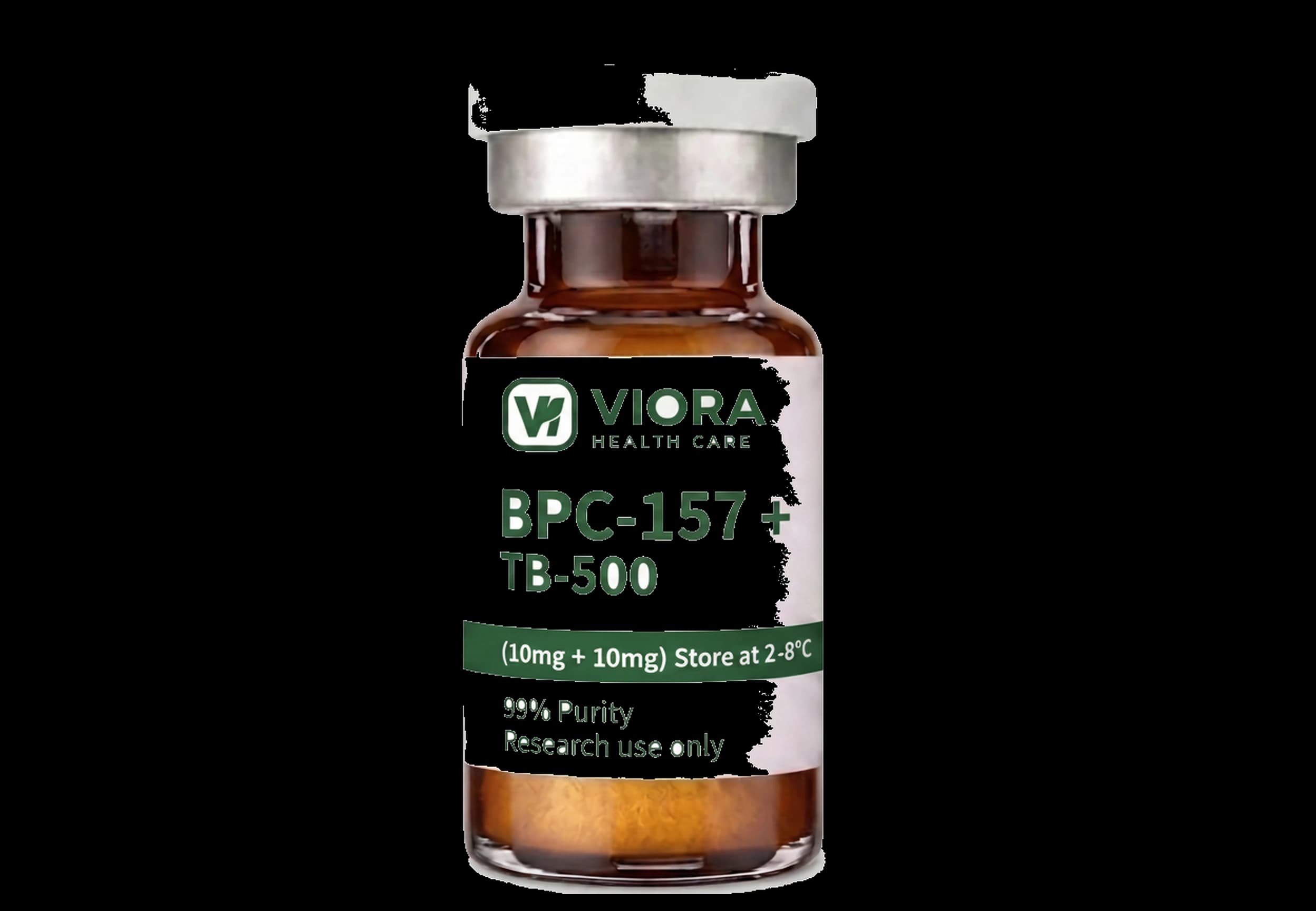
What is BPC-157? A Research Overview
BPC-157 is a 15-amino-acid synthetic peptide derived from a protein found in human gastric juice. Here's what the research literature says — and what it doesn't.
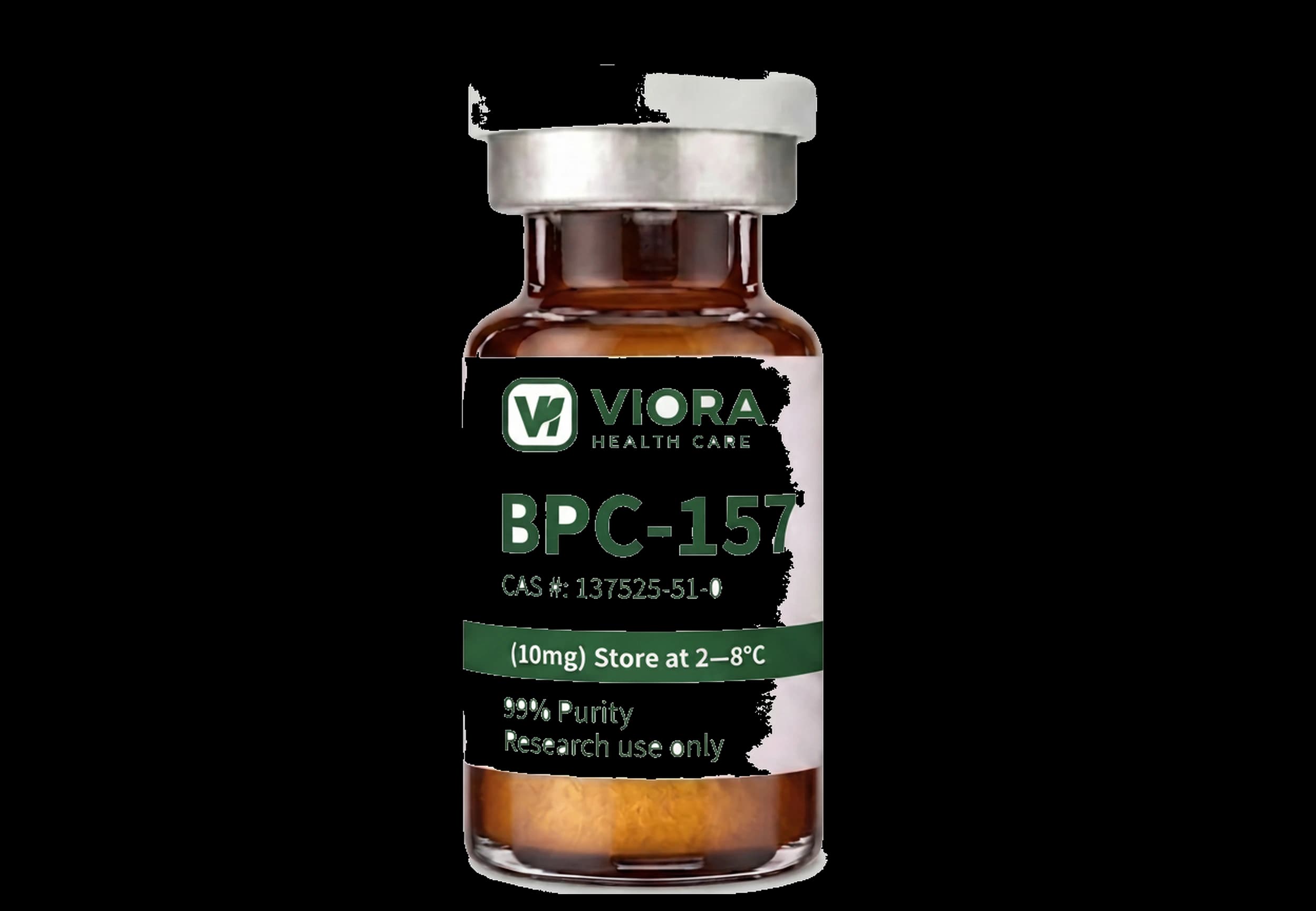
BPC-157 (Body Protection Compound-157) is a synthetic peptide derived from a naturally occurring protein found in human gastric juice. It is composed of 15 amino acids and has gained significant attention in the scientific community for its potential role in various areas of laboratory research.
Originally identified during studies related to gastrointestinal protection and tissue recovery, BPC-157 has since become a focus of interest across a wide range of experimental research fields. Scientists are exploring how this peptide interacts with cellular signaling pathways, growth factors, and tissue-regeneration research models processes in controlled laboratory environments.
Molecular Structure and Origin
BPC-157 is a stable pentadecapeptide fragment derived from the Body Protection Compound found in gastric juice. Due to its stability in biological environments and its relatively simple peptide structure, it has become a widely studied compound in experimental peptide research.
Researchers often examine BPC-157 for its interactions with various biological systems, including its potential influence on angiogenesis (the formation of new blood vessels), cellular repair mechanisms, and inflammatory responses in laboratory models.
Areas of Active Research
In laboratory studies, BPC-157 has been investigated for its potential involvement in several research areas, including:
- Tissue-regeneration research models and cellular repair mechanisms
- Angiogenesis and vascular biology research
- Gastrointestinal system studies
- Musculoskeletal and tendon research models
- Neurological and neuroprotective signaling
These studies are conducted under controlled research conditions to better understand how peptides may influence biological signaling pathways and cellular processes.
Quality and Laboratory Testing
High-purity BPC-157 peptides used in research are typically synthesized in controlled laboratory environments and undergo rigorous analytical testing. Common testing methods include High-Performance Liquid Chromatography (HPLC) and Mass Spectrometry to verify purity (typically ≥99%) and molecular composition. Reputable suppliers publish third-party Certificates of Analysis (COAs) per batch.
Conclusion
As peptide science continues to evolve, BPC-157 remains an important compound of interest in experimental research. Its unique structure and stability have made it a valuable subject in studies exploring tissue biology, cellular repair pathways, and peptide-based research models.
References
- [1]Sikiric P, et al. Stable gastric pentadecapeptide BPC 157: novel therapy in gastrointestinal tract. Current Pharmaceutical Design (2018). PMID: 29215318 ↗
- [2]Chang CH, et al. The promoting effect of pentadecapeptide BPC 157 on tendon healing involves tendon outgrowth, cell survival, and cell migration. Journal of Applied Physiology (2011). PMID: 21879054 ↗
- [3]Chang CH, et al. Pentadecapeptide BPC 157 enhances the growth hormone receptor expression in tendon fibroblasts. Molecules (2014). PMID: 24388801 ↗
All references link to the corresponding PubMed record. Citations maintained for transparency — Viora articles are sourced from the published research literature.